Babywearing That Helps: Solve Overwhelm, Protect Safety, and Stay Close
8/12/2025

Problem: You’re juggling a fussy newborn, healing from birth, or trying to meet other family needs — and every minute feels urgent. When your baby needs constant contact or frequent feeds, you can feel trapped, exhausted, and anxious about safety and recovery.
Agitate: That exhaustion impacts more than mood. Missed early feeding cues can make breastfeeding harder, poor carrying fit can cause back or incision pain, and unsafe positioning risks restricted breathing or hip strain. The result is more crying, less confidence, and less ability to get things done without guilt.
Solution: Babywearing can be a practical, soothing bridge when done safely and mindfully. Start with a few consistent checks and habits:
- Use the TICKS safety checklist: Tight (snug), In view (face visible), Close enough to kiss, Keep chin off chest, Supported back.
- Protect hips: Aim for the M‑shape—knees higher than bottom, thighs supported—per hip‑healthy guidance.
- Choose the right carrier: Wraps for newborn closeness and nursing, ring slings for quick soothing, soft‑structured carriers for long days, and mei tais for a compact hybrid option.
- Practice safely: Start seated, use short 5–15 minute sessions, use a mirror or partner, and keep a hand on baby while learning.
- Mind your recovery: Avoid pressure on C‑section incisions, lower the waistband, swap shoulders, and consult a physiotherapist for pain or diastasis.
- Watch for red flags: Pause if baby has breathing issues, is overly sleepy after feeds, or if you feel dizzy or unsteady—seek medical advice.
- Get hands‑on help: A certified babywearing educator or your pediatrician can check fit for prematurity, reflux, or hip concerns.
Small, steady steps—practice, TICKS checks, and the right carrier—turn babywearing into a safe tool that soothes your baby, supports feeding, and frees your hands without sacrificing recovery or safety.
Articles for you

Postpartum Self-Care Guide (PAS Framework)
Pain & DiscomfortProblem: After birth, your body aches and wounds feel tender.Agitate: Lingering soreness can steal your focus, disturb sleep and heig...
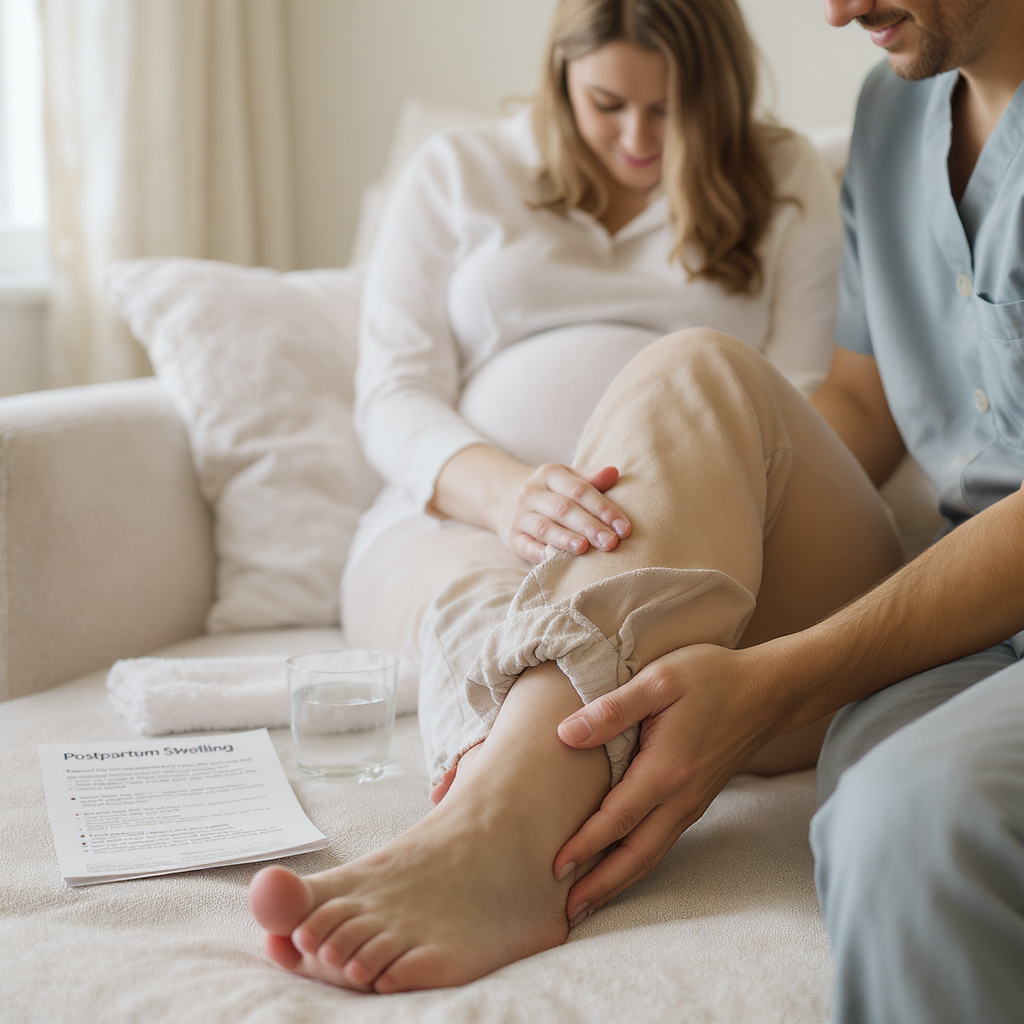
Postpartum swelling: what to expect and when to seek care
Main point: Mild postpartum swelling (puffiness in feet, ankles, hands, face or breasts) is common and usually gets better over days to weeks; seek ur...

Essential Guide to Breast Milk Storage and Handling
Ensuring the proper storage of breast milk is critical to maintaining its nutritional value and safety for your baby. Understanding how storage affect...