Complete Guide to Pumping: Pillar Post + Cluster Topics
12/18/2025
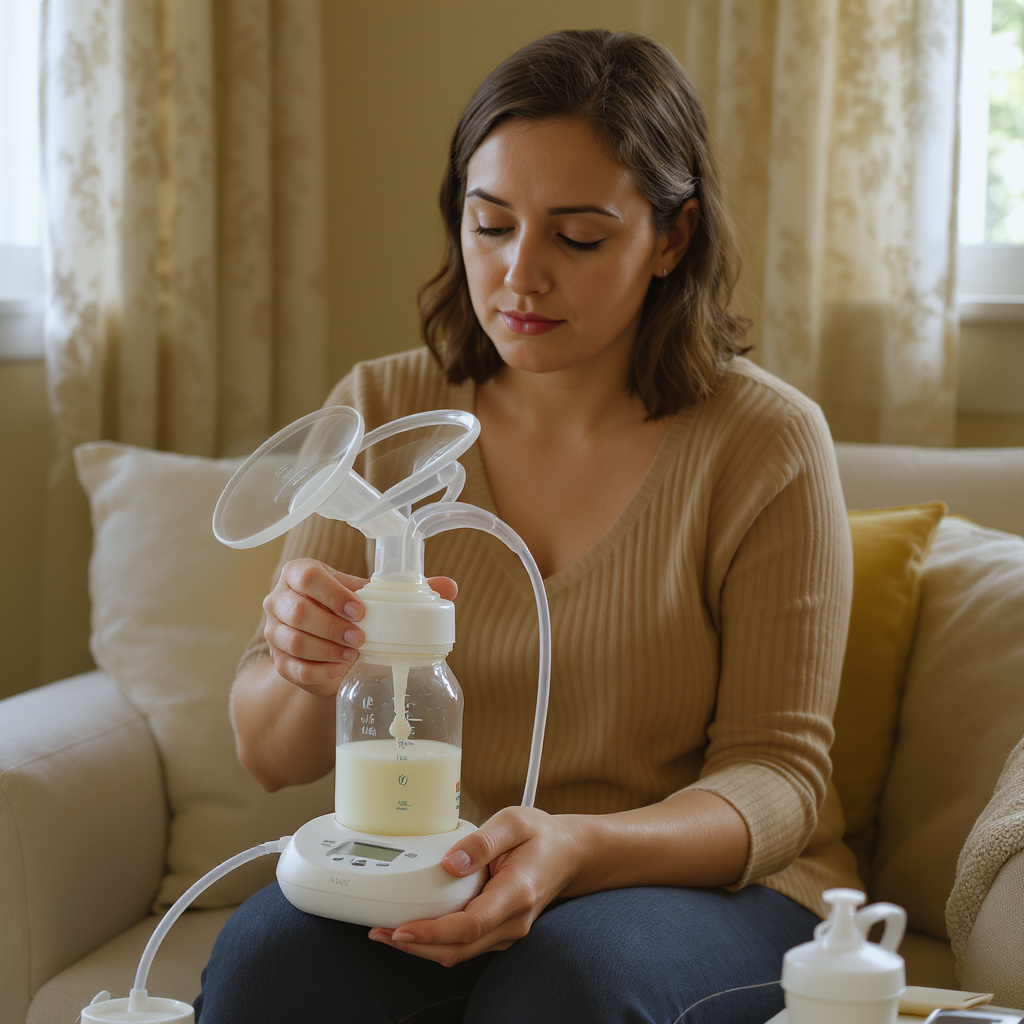
Pillar post overview: Pumping is a practical option that complements direct breastfeeding, offers flexibility, and supports many family needs. This pillar post summarizes core guidance—equipment, fit, schedules, storage, comfort, common problems, hygiene, and when to seek help—and organizes shorter cluster posts for deeper how-to and workplace guidance.
Why pump? Returning to work, shared feeding, supply support, medical needs, and building a milk stash are common reasons. Early hand expression collects colostrum; around 48–72 hours regular removal helps establish supply.
Choosing a pump and fit: Manual, single or double electric, and hospital-grade pumps each have pros and cons. Correct flange size and gentle suction protect comfort and supply; consult an IBCLC to measure fit after a few minutes of use.
Practical routine and comfort: Prepare a calm space, warm compresses, massage and compression, start low and mimic baby’s suck pattern, and use hands-free bras if helpful. Early frequency: about 8–12 removals/day; later often 3–5 depending on goals.
Storage and warming: Follow current guidance for room temperature, refrigerated, and frozen storage; label by date/time; thaw slowly and never microwave. Use FIFO and small portions to reduce waste.
Hygiene and parts care: Wash parts after each use, sanitize for infants under 3 months or preterm babies, replace valves/membranes regularly, and carry a travel kit for outings.
Troubleshooting and when to seek help: For low supply, increase gentle removals, check fit, and consider power pumping; for clogged ducts use warm compresses and massage; for mastitis or fever contact your clinician and continue milk removal. See an IBCLC for persistent issues.
Cluster posts (short guides linked from this pillar):
- How to Pump at Work: step-by-step scheduling, privacy tips, legal rights, and fridge/cooler logistics.
- Choosing the Right Pump: compare manual, single/double electric, and hospital-grade options and when to rent vs buy.
- Flange Fit and Pump Settings: easy self-checks, common fit problems, and adjusting suction and cycle speed.
- Hands-Free Pumping and Comfort Hacks: hands-free bras, skin-to-skin combos, massage, and heat strategies for better let-down.
- Safe Storage & Warming Checklist: labeling, thawing, warming, and travel storage best practices.
- Common Problems & Quick Fixes: clogged ducts, nipple pain, low supply, and when to escalate care.
- Cleaning and Parts Maintenance: daily washing, sanitizing for vulnerable infants, and replacement schedules.
Next steps: Use this pillar as your reference hub and click into cluster posts for detailed how-to guides. For personalized help, book an IBCLC or contact your healthcare team.
Articles for you

Preparing for Parenthood: Baby Proofing, Cord Blood Banking and Joyful Announcements
Welcoming a new life into the world is one of the most thrilling and transformative experiences you can go through. As you prepare to bring your littl...

Postpartum Night Sweats: A Comprehensive Pillar Guide with Cluster Resources
Overview (Pillar): Night sweats after birth are common as your body readjusts hormonally and physiologically. Many people notice episodes of heavy swe...

Finding Comfort in Sleep Sacks: A Guide for New Parents
For expectant and new mothers, a baby sleep sack is an essential, providing an intimate blend of warmth and safety for your precious little one. Resem...