Postpartum Night Sweats: A Comprehensive Pillar Guide with Cluster Resources
1/30/2026
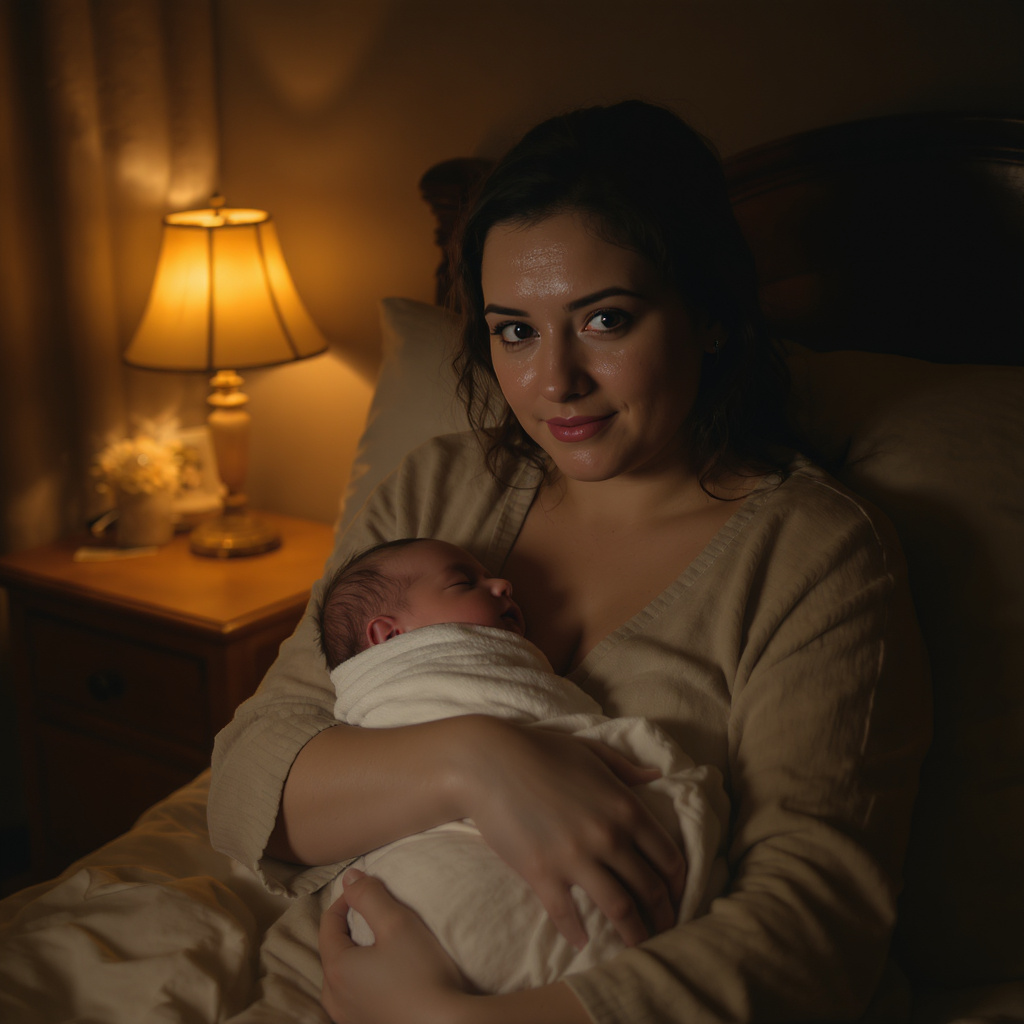
Overview (Pillar): Night sweats after birth are common as your body readjusts hormonally and physiologically. Many people notice episodes of heavy sweating during sleep in the first days to weeks postpartum. For most this is temporary, but tracking patterns and knowing red flags helps you feel more confident and get timely care when needed.
Why it happens: Rapid drops in estrogen and progesterone after delivery, transient increases in oxytocin around nursing, changes in blood volume and circulation, physical recovery from delivery, stress, and sleep disruption can all affect temperature regulation and trigger night sweats. Medications and conditions such as infection or postpartum thyroiditis are other possible causes.
When to contact your clinician: Call promptly if you have fever (≈100.4°F/38°C or higher), foul-smelling lochia, unusually heavy bleeding, severe pain, racing heart, dizziness, unexplained weight loss, or sweats that are very heavy or persist beyond a few weeks. If you have thoughts of harming yourself or your baby, seek immediate care.
Practical self-care and environment tips: Keep the bedroom comfortably cool (rough guideline 18–22°C), use breathable sleep layers (cotton, linen, bamboo blends), choose moisture-wicking nursing tops, layer blankets so you can adjust easily, and use a quiet fan or safe airflow. Hydrate through the day but limit fluids right before bed, and avoid spicy foods, alcohol, and high caffeine in the evening. Gentle relaxation before bed can reduce stress-related sweats.
Track to inform care: Keep a simple log: date/time, severity (1–3 or 1–10), breastfeeding/pumping times, fever (yes/no and temp), room temp, new medications, and any other symptoms. A photo of damp bedding can be helpful. This makes conversations with clinicians faster and more useful.
Medications and medical causes: Some medications (for example certain antidepressants) list sweating as a side effect. Postpartum infections (endometritis), postpartum thyroiditis, or other medical issues can cause sweats plus systemic symptoms. Your clinician may order routine tests such as complete blood count, thyroid function (TSH/free T4), urinalysis/culture, or wound/lochia cultures based on symptoms.
Support and recovery: Share night duties with partners or helpers, ask a lactation consultant about feeds that trigger warmth or discomfort, and seek community or professional support for mood or sleep problems. Most night sweats ease over weeks to months; persistent or severe cases deserve evaluation.
Cluster posts (short, linked pieces to support the pillar):
- 1. Tracking Template for Postpartum Sweats — printable/log template and sample entries; suggested slug: /postpartum-night-sweats-tracker
- 2. Managing Night Sweats While Breastfeeding — tips focused on feeds, oxytocin/prolactin effects, and safe remedies; suggested slug: /breastfeeding-night-sweats
- 3. Medications and Sweating Postpartum — common culprits, breastfeeding considerations, and lactation resources; suggested slug: /meds-and-postpartum-sweats
- 4. When Night Sweats Mean Infection or Thyroid Issues — red flags, typical tests, and what to expect from evaluation; suggested slug: /postpartum-infection-thyroid
- 5. Sleep Environment Checklist for New Parents — practical bedding, clothing, and room setup tips; suggested slug: /sleep-environment-for-new-parents
How to use this hub: Use the pillar post for broad education and link to cluster posts for deep dives and actionable tools (trackers, checklists, medication guides). When you publish, interlink these pages so readers and search engines can navigate from general guidance to specific, problem‑solving resources.
Sources & next steps: For clinician-facing or patient-facing verification, consult ACOG, NHS, CDC, the American Thyroid Association, and lactation/pharmacology databases such as LactMed. Bring your brief log and current medication list to appointments to get targeted care quickly.
Trust your observations: most postpartum night sweats are benign and improve with time and simple adjustments, but prompt evaluation of red flags keeps you and your baby safe and supported.
Articles for you
7 Essential Tips for Bathing Your Newborn
Welcoming a newborn into the world is filled with wonder, and ensuring their gentle care is paramount, especially when it comes to bathing. Here are 7...
Navigating Postpartum Mental Health: Understanding and Nurturing Emotional Well-being After Birth
Bringing a baby into the world is a life-altering experience that brings immense joy but also significant changes and challenges. As a new mother, it'...

Nurturing Your Newborn: Balancing Work, Feeding, and Teething
Finding Balance: Nurturing Your Baby While Balancing Work and Play As a new mother, the experience of bringing your baby into the world is not only fi...