Baby's First Solid Foods: A Heartfelt Guide to Nourishing Beginnings
1/16/2025
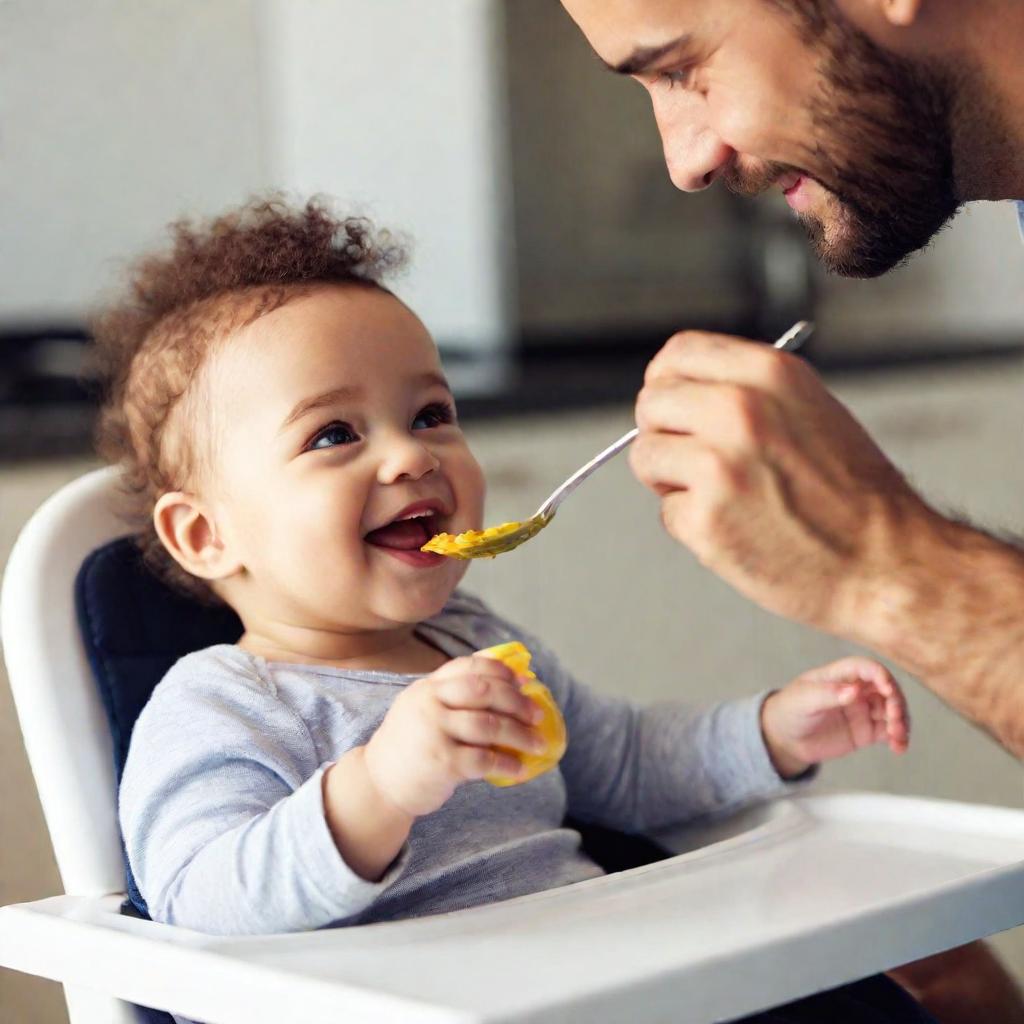
Welcoming a baby into the world is a profound experience, filled with love, learning, and layers of care. As your newborn grows and flourishes under your nurturing touch, there comes a pivotal time to introduce solid foods. This journey into complementary feeding not only provides essential nutrients but also lays the foundation for a lifelong healthy eating pattern.
Transitioning to solid foods is an exciting milestone, but it often comes with its own set of inquiries and emotions. It's perfectly normal for parents to feel both eager and apprehensive. Let's gently explore this transformative stage, ensuring your baby gets the nourishing start they deserve.
When to Start: Signs Your Baby is Ready
The timing of introducing solids can vary from one baby to another, generally around six months. Indications that your little one might be ready include:
- Sitting up with minimal support and demonstrating good head control.
- Showing curiosity about the food you're eating, perhaps reaching out to explore.
- The disappearance of the tongue-thrust reflex, allowing them to swallow solids more efficiently.
Introducing the First Foods
Initially, it's about dabbling with new flavors and textures rather than replacing milk feeds. Begin with single-ingredient foods and observe how your baby reacts. Popular first choices include:
- Iron-rich cereals: Fortified cereals can be mixed with your baby's usual milk to ease the transition.
- Pureed vegetables: Options like carrots, sweet potatoes, and peas are gentle on the tummy and full of essential vitamins.
- Soft fruits: Bananas, pears, and avocados offer a creamy texture and naturally sweet flavors.
Navigating Common Challenges
As you guide your baby through this new phase, certain challenges might arise. Patience and persistence are your best allies:
- If refusal occurs, try offering the food again in a few days. Tastes can evolve surprisingly quickly.
- Texture can be a new sensation. Start with smooth purees and gradually introduce lumpier textures.
- Maintain mealtime positivity. Babies can sense stress or frustration, which may impact their willingness to try new foods.
Building Healthy Habits
The habits you instill now can influence your child's relationship with food in the years to come. Consider these pointers:
- Family mealtime integration fosters social interaction and establishes meal routines.
- Offer a variety of foods to support a well-rounded palate, avoiding added sugars and salts.
- Be mindful of portion sizes, recognizing your baby's cues for fullness and hunger.
Incorporate these practices into your family's routine gradually, allowing your baby's natural curiosity to lead the way while still providing the nutrition they need for growth and development.
Amidst this exciting period of discovery, remember that every baby is unique, and there's no one-size-fits-all approach. Celebrate each tiny milestone and trust your instincts as you introduce your baby to the diverse and vibrant world of food. With heart and humor, you'll navigate these early steps toward a lifetime of healthy eating habits together.
Trust in your growing confidence as a parent, embracing this new adventure with openness and joy. The path to solid foods is a delightful dance of flavors and feelings, and with each spoonful, you're laying the ground for a nourished, happy child.
Articles for you

Postpartum swelling: what to expect and when to seek care
Main point: Mild postpartum swelling (puffiness in feet, ankles, hands, face or breasts) is common and usually gets better over days to weeks; seek ur...

12 Ways to Support Postpartum Recovery and Body Image
Recovering after birth involves both physical healing and changing emotions about your body. Try these 12 practical, evidence‑based steps to make reco...

Pregnancy & Early Parenthood: Clear Steps When You’re Overwhelmed
Problem: You’re excited about the baby but also exhausted, anxious, and unsure what’s normal. Small choices feel huge and every symptom or decision ca...