10 Essential Tips for Traveling with a Newborn
4/1/2026
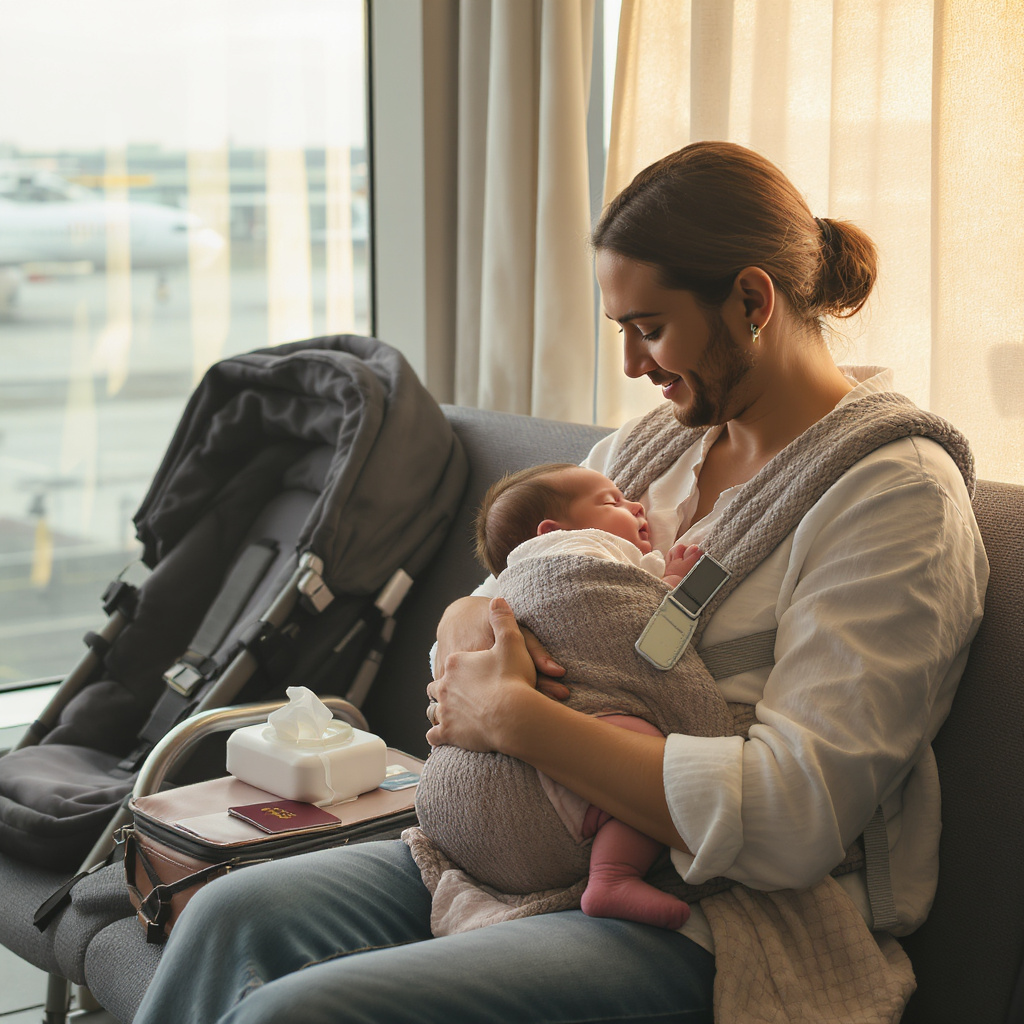
Traveling with a newborn can feel overwhelming. These 10 simple, scannable tips help you plan safely and stay calm on the road or in the air. Verify anything medical with your pediatrician before you travel.
- 1. Call your pediatrician first. Confirm timing, discuss any health concerns (prematurity, jaundice, medications) and get written notes or prescriptions to carry.
- 2. Bring essential documents. Pack passports/IDs, birth certificate, insurance card and a printed medical summary; save photos of each on your phone.
- 3. Choose dates and lodging around baby’s needs. Match travel to calmer windows, pick direct routes when possible and confirm accommodations have a safe crib, fridge and quiet options.
- 4. Pack light, smart and modular. Prioritize multipurpose items (muslin cloths, layered clothing), a compact first-aid kit, a few extra outfits, diapers/wipes and a grab-and-go feeding kit.
- 5. Know carrier and airport rules. Reserve bassinets early, check lap-infant policies, declare breast milk/formula at security and confirm car-seat installation rules with airlines or operators.
- 6. Use a properly installed car seat every time. Follow current car-seat guidance, keep the manual handy and consider a certified inspection; stop every 1–2 hours on road trips for breaks and supervised tummy time.
- 7. Feed responsively and store milk safely. Offer breast or bottle at hunger cues, keep expressed milk chilled and labeled per CDC guidance, and prepare formula only as recommended by manufacturers and health agencies.
- 8. Recreate familiar sleep cues. Use a white-noise device, familiar blanket or swaddle and a low-light routine; always follow AAP safe-sleep guidance (baby on back, firm surface, no loose bedding).
- 9. Prepare a medical and emergency plan. Save local pediatric clinics, hospitals and emergency numbers at your destination; bring prescriptions, a dosing chart and vaccine records.
- 10. Protect your well-being. Share duties, schedule short breaks, keep simple rituals to calm you and baby, and be flexible—small adjustments matter more than perfection.
After travel, allow a gentle transition back to home routines, watch feeding and diaper patterns, and contact your pediatrician if you notice fever, reduced feeding, breathing changes or other concerns. Rely on trusted sources (AAP, CDC, WHO) and carrier policies for updates before you go.
Articles for you

The Nurturing Potential of Cord Blood Banking: A Guide for Expectant Parents
As you prepare to welcome your little one into the world, there's much to consider, including decisions that can have lasting impacts on your family's...
Cesarean Birth: Pillar Guide and Cluster Post Hub
Pillar post overviewThis comprehensive pillar guide explains what a cesarean (C‑section) is, common medical reasons it’s recommended, how anesthesia c...
Home Birth: A Step-by-Step Guide
Home birth offers personalized, low-intervention care in a familiar setting. With proper eligibility screening, skilled midwives, and clear transfer p...