Cesarean Birth: Pillar Guide and Cluster Post Hub
3/16/2026
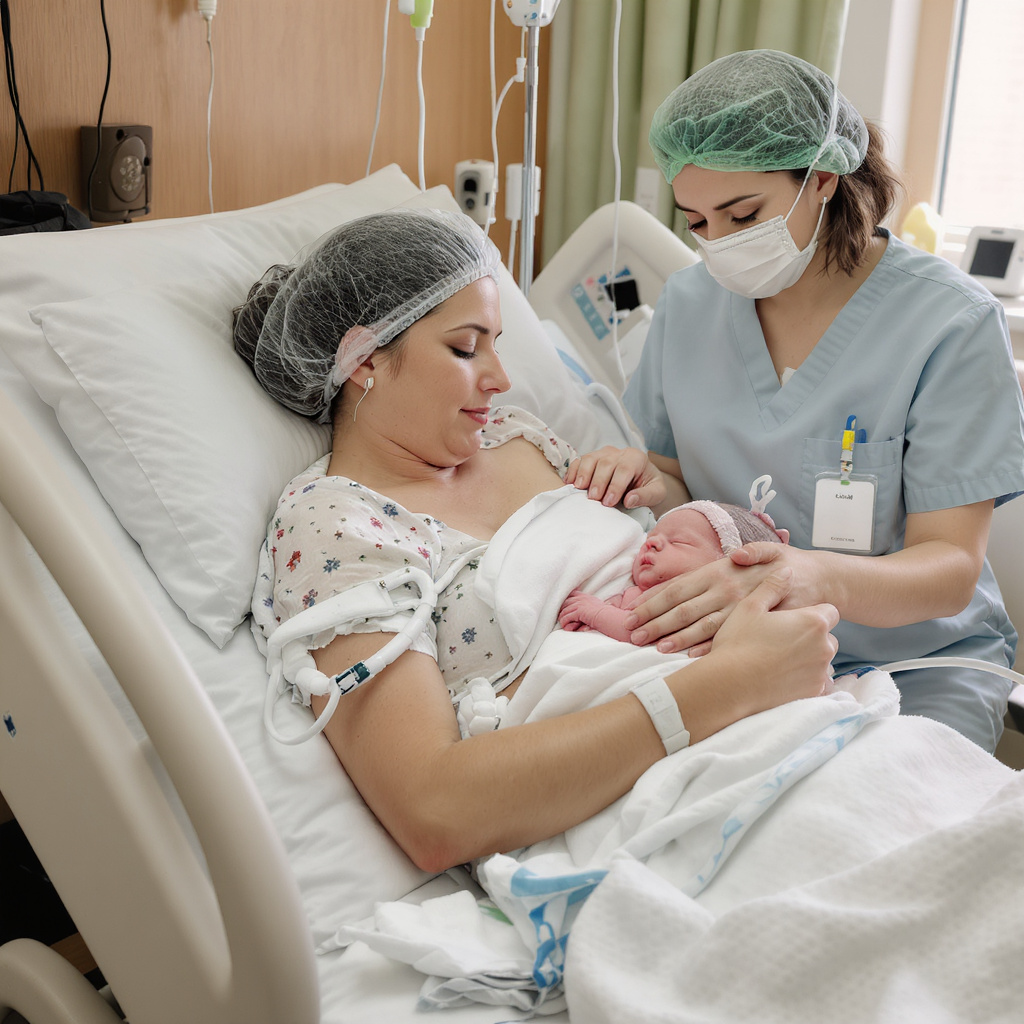
Pillar post overview
This comprehensive pillar guide explains what a cesarean (C‑section) is, common medical reasons it’s recommended, how anesthesia choices affect the birth experience, what to expect in hospital and at home, basic wound‑care and pain management, breastfeeding and bonding after surgery, emotional recovery, and options for future births (including VBAC). Use this page as the central hub to link to focused cluster posts that give practical, clinician‑reviewed detail on each subtopic.
When and why a C‑section is recommended
Placenta issues (previa, accreta), nonreassuring fetal heart patterns, malpresentation (breech or transverse), multiple pregnancy, prior uterine surgery, and labor that doesn’t progress are common indications. Some are planned; others arise urgently. Clinicians balance maternal and newborn safety with minimizing unnecessary surgery.
Anesthesia at a glance
Neuraxial techniques (spinal, epidural) are preferred when feasible so you can be awake and have more stable outcomes. General anesthesia is reserved for rapid emergencies or contraindications to neuraxial blocks. Ask your anesthesiologist about risks, timing around blood thinners, and what to expect during the block.
Hospital course and early recovery
Expect IVs, monitoring, surgical prep, and a recovery bay where pain, bleeding, and newborn contact are monitored. Typical stay is about 2–4 days after an uncomplicated cesarean. Early walking, stool softeners, scheduled nonopioid analgesics, and gradual activity increases support healing.
Breastfeeding, bonding, and emotional support
Skin‑to‑skin and early feeding are encouraged when safe; positioning and lactation support make breastfeeding after C‑section manageable. Emotional responses vary—grief, relief, and anxiety are all common. Seek perinatal mental‑health support if feelings are intense or persistent.
Follow‑up and warning signs
Arrange early postpartum contact and a formal visit around 6 weeks (or per your clinician). Call right away for heavy bleeding, fever ≥100.4°F (38°C), severe uncontrolled pain, wound redness or drainage, breathing or chest symptoms, or newborn feeding/alertness concerns.
Pillar + cluster strategy (how to use this hub)
From this pillar page, link to the focused cluster posts below using clear anchor text (for example, "Cesarean anesthesia options" linking to the anesthesia cluster). Each cluster should link back to this pillar and to related clusters to build topical authority and improve internal SEO.
Recommended cluster posts (short, focused articles)
- Cesarean: Medical Reasons & Timing — In‑depth review of placenta problems, malpresentation, multiple pregnancy, and emergency indications. Suggested slug: /cesarean/reasons-timing
- Anesthesia Options for Cesarean — Detailed compare/contrast of spinal, epidural, and general anesthesia; contraindications and anticoagulation guidance. Suggested slug: /cesarean/anesthesia-options
- Preparing for a Planned C‑section — Practical checklist for hospital packing, paperwork, birth preferences, and emotional preparation. Suggested slug: /cesarean/prep-checklist
- Recovery & Wound Care After C‑section — Step‑by‑step wound care, pain management plan, activity milestones, and when to call your provider. Suggested slug: /cesarean/recovery-wound-care
- Breastfeeding & Bonding After Surgery — Positions, pumping tips when separated, in‑hospital lactation support, and troubleshooting. Suggested slug: /cesarean/breastfeeding-bonding
- VBAC: Trial of Labor After Cesarean — Eligibility, success rates, risks, and planning for safe TOLAC. Suggested slug: /cesarean/vbac-guide
- Emotional Recovery & Perinatal Mental Health — Common feelings, screening, and resources for counseling and peer support. Suggested slug: /cesarean/emotional-support
- Home Setup & Practical Help — Quick helper checklist, recovery zone setup, and appointment scheduling tips. Suggested slug: /cesarean/home-setup
Quick editorial and SEO tips
Keep the pillar long‑form and evergreen; each cluster should be 800–1,500 words answering a single user intent. Use consistent internal linking (pillar → clusters, clusters → pillar, clusters ↔ related clusters). Add clinician review statements on each cluster post and microdata where your CMS allows. Monitor analytics to expand clusters readers engage with most.
Credits and verification
Base clinical recommendations on major guidelines (ACOG, NICE, WHO, ASA, SOAP, Academy of Breastfeeding Medicine). Encourage local clinician review for hospital‑specific policies and individualized patient counseling.
Articles for you

Comprehensive Baby Shower Planning Guide (Pillar Post)
Welcome to our comprehensive baby shower planning guide, built using the Pillar + Cluster (Topic Hub) strategy. This pillar post provides an overview ...

Hypnobirthing: Practical, Complementary Tools for a Calmer Birth
Main point: Hypnobirthing is a simple, complementary approach using relaxation, focused breathing, and mental anchors to reduce fear and tension in la...

Ripples of Love: Navigating the Waters of Motherhood
Ripples of Love: Navigating the Waters of Motherhood Motherhood is a profound journey, marked by both joy and challenges. As you prepare to welcome yo...