Your Comprehensive Guide to Baby Immunizations
26/10/2024
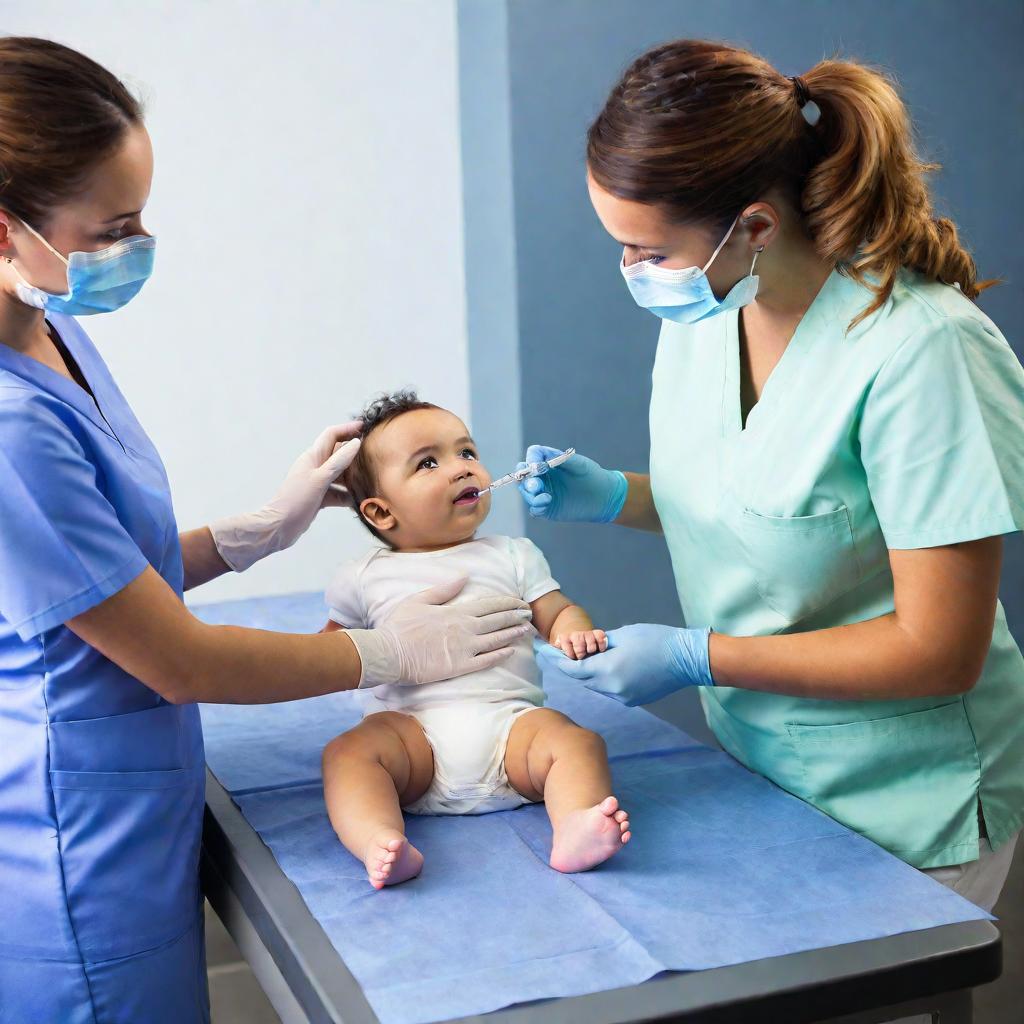
Your Comprehensive Guide to Baby Immunizations
As new parents, one of the most significant responsibilities you’ll face is ensuring your baby receives the necessary immunizations to protect their health. This journey may feel overwhelming, but knowledge can empower you, providing the reassurance necessary to make informed choices about your child's well-being.
Understanding Immunizations
Immunizations are vaccines designed to protect against specific diseases. They work by stimulating the immune system to recognize and fight infections without causing the disease itself. In essence, they prepare your child’s immune system to ward off potentially dangerous viruses and bacteria.
Why Are Immunizations Important?
Vaccination plays a crucial role in public health. By helping your baby build immunity against contagious diseases such as measles, mumps, and whooping cough, you’re not only protecting them but also contributing to the larger community’s health. When children are vaccinated, they are less likely to spread infections, thus safeguarding those who may not be able to receive vaccines due to health conditions.
The Recommended Immunization Schedule
The Centers for Disease Control and Prevention (CDC) provides a recommended immunization schedule that outlines the essential vaccines your baby should receive from birth through their second birthday. Here’s a brief overview:
- At Birth: Hepatitis B (1st dose)
- 2 Months: DTaP, Hib, IPV, PCV13, RV
- 4 Months: DTaP, Hib, IPV, PCV13, RV
- 6 Months: DTaP, Hib, IPV, PCV13, RV, Hepatitis B (2nd dose)
- 12-15 Months: Hib, PCV13, MMR, Varicella, Hepatitis A (1st dose)
- 15-18 Months: DTaP (4th dose)
- 4-6 Years: DTaP, IPV, MMR, Varicella (2nd dose)
This schedule is designed to protect your child at the earliest point possible and ensure they maintain immunity as they grow.
Addressing Common Concerns
As you prepare for your baby’s immunizations, you may have questions or concerns. Here are some common topics that parents worry about:
Do Vaccines Cause Autism?
One of the most prevalent myths surrounding vaccines is the unfounded claim that they cause autism. Multiple large studies have thoroughly debunked this myth, asserting that there is no link between vaccines and autism. The overwhelming consensus in the scientific community supports vaccination as a safe and effective tool to prevent serious illnesses.
What Are Side Effects of Vaccinations?
It’s normal for parents to be concerned about potential side effects. Common reactions to vaccines can include:
- Soreness or swelling at the injection site
- Low-grade fever
- Irritability or fatigue
These reactions are usually mild and indicate that the body is building protection. Serious side effects are rare, and monitoring can ensure your baby remains comfortable post-vaccination.
What Should I Do During Vaccination Appointments?
Preparation can ease both your and your baby's stress during vaccination appointments. Here are a few tips:
- Bring a favorite toy or blanket to provide comfort.
- Feed your baby before the appointment if they’re hungry; a full tummy can help soothe them.
- Practice calming techniques, such as gentle rocking or singing, to create a serene environment.
Your comforting presence will help your baby feel secure, which can ease their experience.
Keeping Track of Vaccinations
Maintaining an accurate record of your child’s vaccinations is vital to ensure they receive all necessary doses on time. Most healthcare providers will provide a vaccination card, which is a valuable tool for keeping track of each immunization. It’s also a good idea to take notes about any side effects you notice following a vaccination.
Supporting Your Baby’s Immune System
In addition to vaccinations, you can support your baby’s immune system through various practices:
- Breastfeeding: If possible, breastfeeding offers antibodies that bolster your baby's immune system.
- Nourishing Diet: As your baby progresses to solid foods, focus on providing a well-rounded diet rich in fruits, vegetables, and whole grains.
- Regular Check-ups: Schedule routine health visits for growth monitoring and developmental assessments.
These combined efforts can help ensure that your child’s immune system develops healthily alongside their vaccinations.
Final Thoughts
Immunizations are a vital part of your child’s health journey, providing layers of protection against serious diseases. By staying informed and actively participating in your baby’s vaccination schedule, you’re taking significant steps toward safeguarding their health. Understand that it’s normal to have questions and concerns—embracing this journey with knowledge and support can lead to peace of mind for both you and your little one.
Remember, you're not alone in this. Reach out to your pediatrician with any questions or uncertainties you may have about immunizations and your baby's care. Together, you can navigate these important health decisions for your child's future health and well-being.
Articles for you

Nurturing Through Water, Wraps, and Wonder: A Guide for New Parents
Water, Wraps, and Wonder: The Joy of Nurturing Your Newborn Becoming a parent is a wondrous journey that unfolds day by day, moment by moment, full o...

Embracing Gentle Movement: the Benefits and Joys of Pregnancy Exercises
Pregnancy is a profoundly transformative experience, not just emotionally but physically as well. Embracing gentle exercise during this time can be in...

Managing Gestational Diabetes: A Clear, Supportive Plan (Problem–Agitate–Solution)
Problem: Hearing that you have gestational diabetes can feel sudden and frightening. You may worry about your baby’s health, the chances of a cesarean...