Water birth: key facts, benefits, risks, and practical steps
1/17/2026
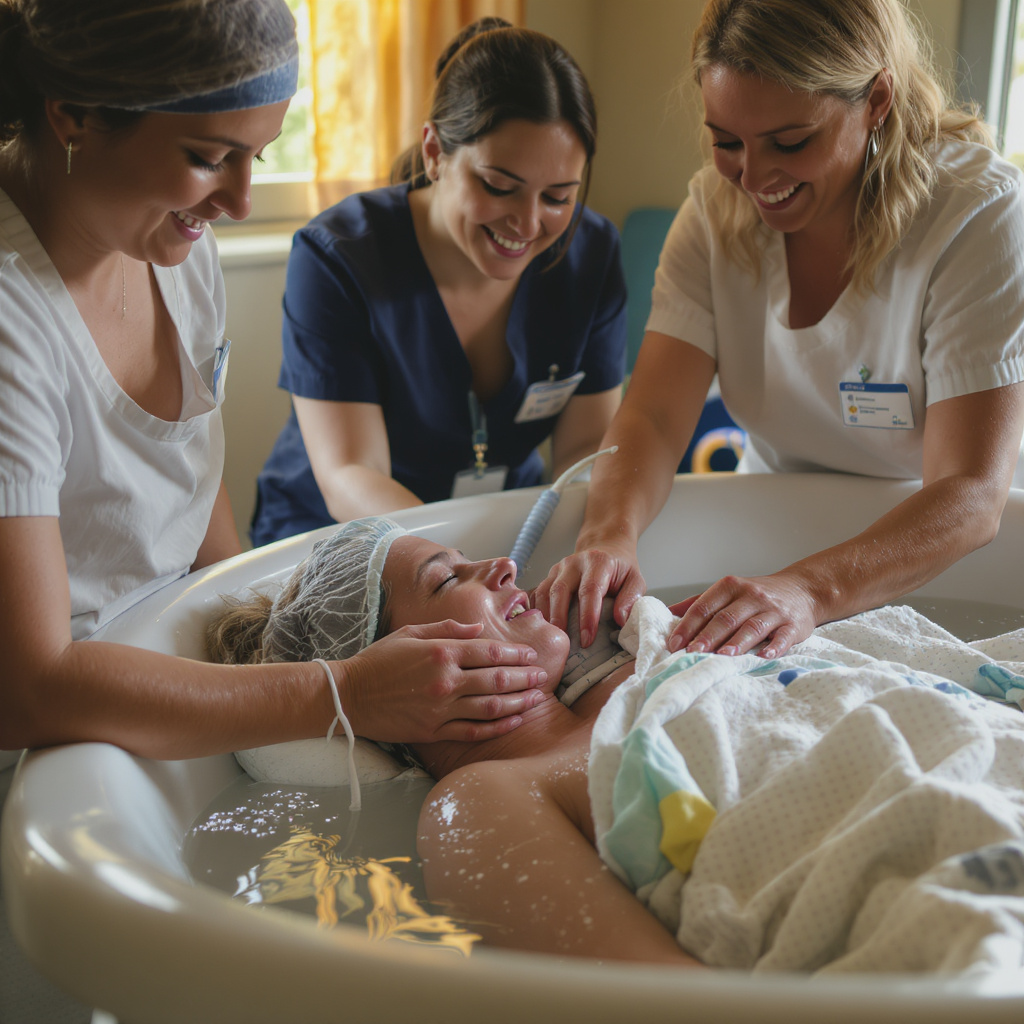
Main point: Water labor and, in some settings, water birth can increase comfort and mobility and reduce use of epidural pain relief for many low‑risk people—but it should only be offered with experienced staff, written infection‑control and transfer protocols, and a clear plan for monitoring and rapid exit if complications arise.
Key benefits
- Pain relief: Warm water often soothes contractions and can change how pain is perceived, helping many cope without immediate medications.
- Increased mobility: Buoyancy makes position changes easier and can support labor progress.
- Calmer environment: The warm, private setting can reduce stress and promote focused breathing and relaxation.
- Lower epidural rates: Studies show immersion in active labor is associated with reduced epidural use for some people.
Key risks and limits
- Infection risk: Improper cleaning or water management can increase infection risk for mother or baby.
- Monitoring limits: Continuous electronic fetal monitoring is harder in water; many teams use intermittent auscultation and will ask you to exit if accurate assessment is needed.
- Need for prompt transfer: Heavy bleeding, fetal distress, stalled labor, maternal fever, or need for assisted/surgical delivery require quick transfer out of the pool.
- Not for all pregnancies: High‑risk conditions (placenta previa, some fetal concerns, active infection, multiples in many settings) usually exclude water birth.
What staff and facilities should provide
- Written transfer and emergency protocols with typical timelines and roles.
- Experience attending water labors/births and regular drills for rapid transfer.
- Pool cleaning, single‑use liners or covers, and water‑temperature checks (warm but not hot).
- Clear monitoring plan (how often fetal heart checks occur during immersion and when to exit).
Immediate newborn and postpartum care
- If the baby is vigorous, many teams perform immediate skin‑to‑skin while drying and keeping baby warm; delayed cord clamping is usually supported when safe.
- Signs requiring urgent neonatal assessment include weak/absent breathing, poor tone, heart rate <100 bpm, or persistent blue color.
- Staff will check your perineum, monitor bleeding, and advise on wound care after immersion.
Practical checklist and questions to ask
- Ask to see written transfer and monitoring protocols and typical transfer timelines.
- Who on the team routinely supports water births and how many have they attended?
- How is the pool cleaned, is a liner used, and how is water temperature and maternal temperature monitored?
- When will staff ask you to leave the tub and where will transfers go?
- Pack: swimsuit/comfortable clothes, several towels, waterproof pad, warm blanket for baby, extra clothes, birth plan copies.
Bottom line: Water labor and birth can be a safe, comforting option for many low‑risk pregnancies when provided by experienced teams with clear protocols. Discuss risks, monitoring, and transfer plans with your provider and make a flexible birth plan that prioritizes safety and your preferences.
Articles for you

Navigating New Beginnings: The Joys of Baby Sign Language, Baby Proofing, and Traveling with Your Newborn
Navigating New Beginnings: The Joys of Baby Sign Language, Baby Proofing, and Traveling with Your Newborn Welcoming a newborn into your life is a bea...

Enhancing Bonding: A Guide to Choosing and Using Baby Carriers
Choosing a baby carrier is a deeply personal choice that can greatly enhance the connection with your little one. This closeness is more than just pra...

Understanding the Significance of Colostrum: Your Baby's First Nourishment
Welcoming a new life into the world is both exhilarating and challenging. As you embark on this journey, you will quickly realize that colostrum plays...