Safe Pregnancy Travel: Quick Guide
12/10/2025
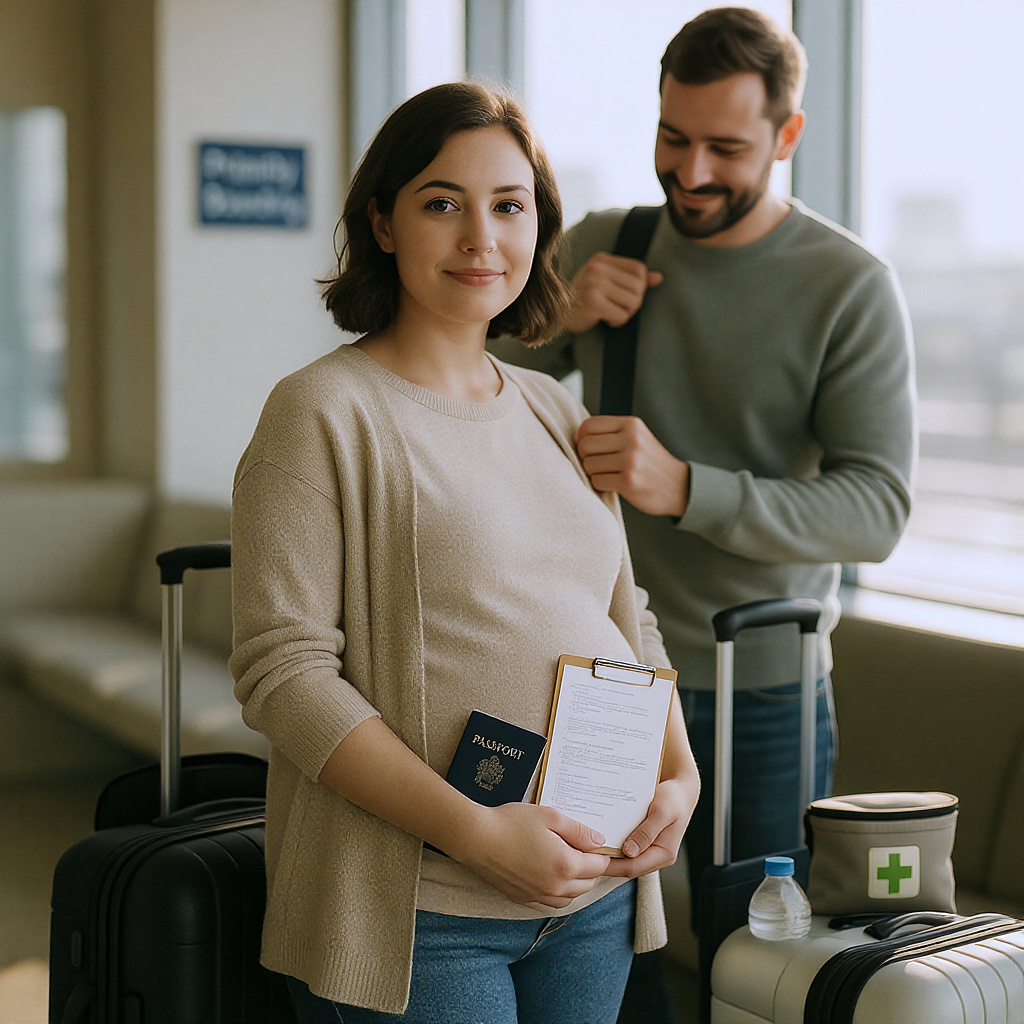
Main point: Before you book or travel, check your pregnancy stage with your prenatal provider and get written guidance if recommended; many people can travel comfortably in mid-pregnancy, but individual risks, airline/cruise rules, and destination healthcare access matter most.
Key actions to take before and during travel:
- Confirm with your prenatal team: Discuss timing, any pregnancy-specific risks (placenta issues, preterm labor risk, clotting history, multiples), and get a note for travel if one is needed.
- Check carrier and cruise policies: Airlines and cruise lines often set gestational cutoffs or require a doctor’s letter; call customer service to confirm rules.
- Choose insurance carefully: Look for travel insurance that covers pregnancy complications and emergency evacuation; routine prenatal care is usually excluded.
- Pack and carry essentials: Keep prenatal records, a concise medication list, emergency contacts, and prescriptions in your carry-on and in a scanned copy on your phone.
- Match trip intensity to how you feel: Favor destinations with reliable healthcare, avoid high-risk activities (scuba, extreme altitudes), and plan slower pacing if you’re fatigued.
- Prevent DVT and discomfort: Move about hourly on long trips, wear properly fitted compression stockings if advised, stay hydrated, and do simple calf/ankle exercises.
- Seatbelt and seating tips: Wear the lap belt low across the hips and the shoulder strap between the breasts; choose an aisle seat on planes to stand easily.
Practical travel logistics:
- Flying: Keep paperwork and meds in carry-on, set a timer to walk and stretch hourly, wear compression socks as needed.
- Driving: Plan frequent stops for short walks, share driving duties where possible, and use lumbar support.
- Trains and cruises: Verify onboard or nearby medical care; many cruises have earlier gestational cutoffs and limited emergency options.
- Vaccines: Review destination vaccine guidance with your provider—seasonal flu and Tdap are commonly recommended in pregnancy; live vaccines are generally avoided.
- Food, hydration, and rest: Pack nutrient-dense snacks, sip water frequently, and build regular rest breaks into your itinerary.
What to monitor and do after travel:
- Watch for warning signs: Seek urgent care for unusual or sudden swelling (face or hands), any vaginal bleeding, intense/persistent pain, regular contractions, or decreased fetal movement.
- Follow up: If your provider asked for post-travel follow-up or anything feels off, schedule a prenatal check or use telehealth to triage symptoms.
- Recovering at home: Rest, elevate feet gently, take light walks, and pay attention to changes from your usual pregnancy symptoms.
Background and extra tips: Major organizations such as ACOG and the CDC advise discussing travel timing and destination-specific risks with your prenatal provider. Carry written provider guidance, confirm local healthcare options at your destination (nearest hospital with obstetric services, urgent care), and save after-hours contact or telehealth links for quick access. For travel with a newborn, consult your clinician about timing, pack feeding and safety essentials (car seat, feeding supplies, first-aid items), and plan for frequent stops and help so you can rest.
Small preparations—clear communication with your care team, sensible packing, matched activity levels, and knowing when to seek help—make travel safer and more comfortable during pregnancy and postpartum.
Articles for you

Navigating the Fourth Trimester: What, Why, How, What If
What: The fourth trimester covers the first 12 weeks after birth, a time when newborns adapt to life outside the womb and mothers recover physically a...
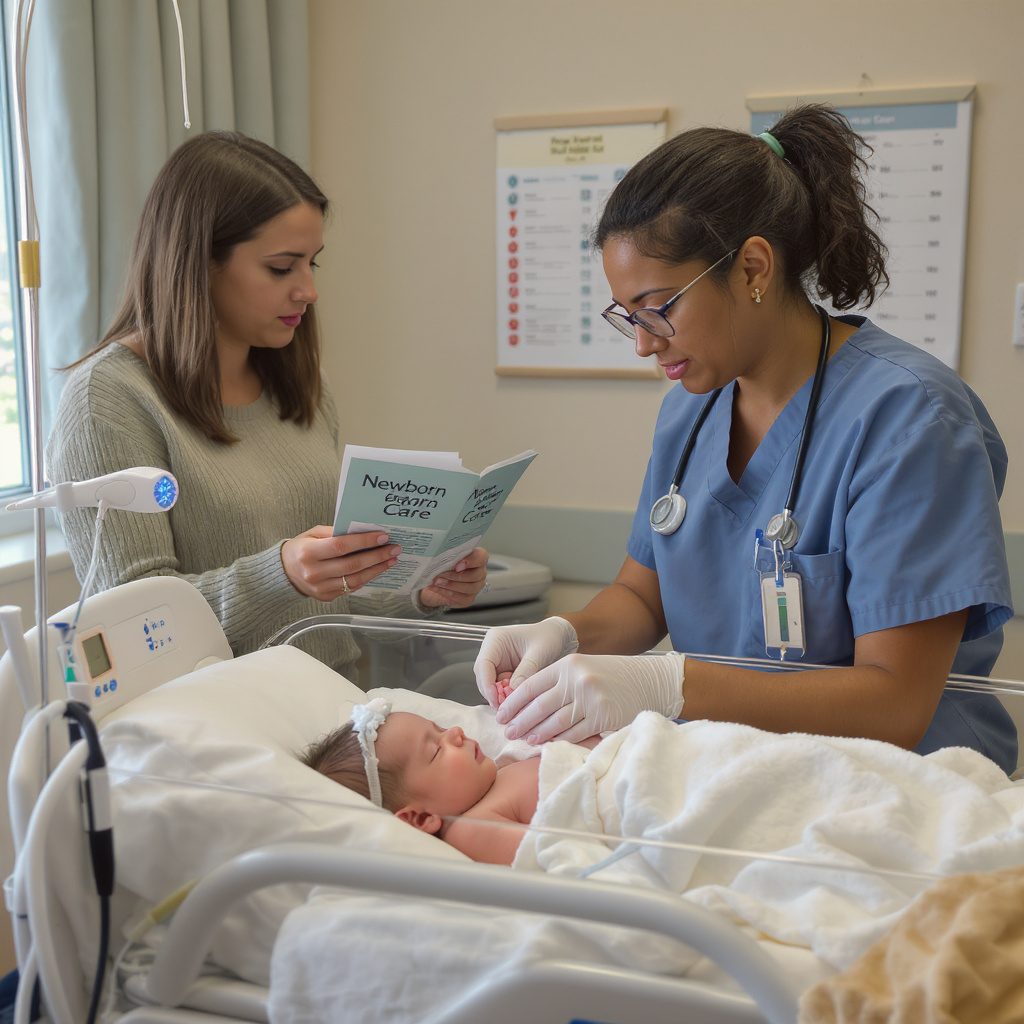
Newborn visit: what to expect, when to seek care, and practical tips
Main point: Most newborns should see a pediatrician within the first week of life (commonly 48–72 hours after early discharge or around 3–5 days). Ear...

Exploring Breastfeeding Positions: Finding Comfort and Ease for Mother and Baby
Breastfeeding is a journey that can be as rewarding as it is challenging. Finding the right breastfeeding position can significantly impact both the m...