Pregnancy Weight Gain: Understanding the Journey
11/3/2024
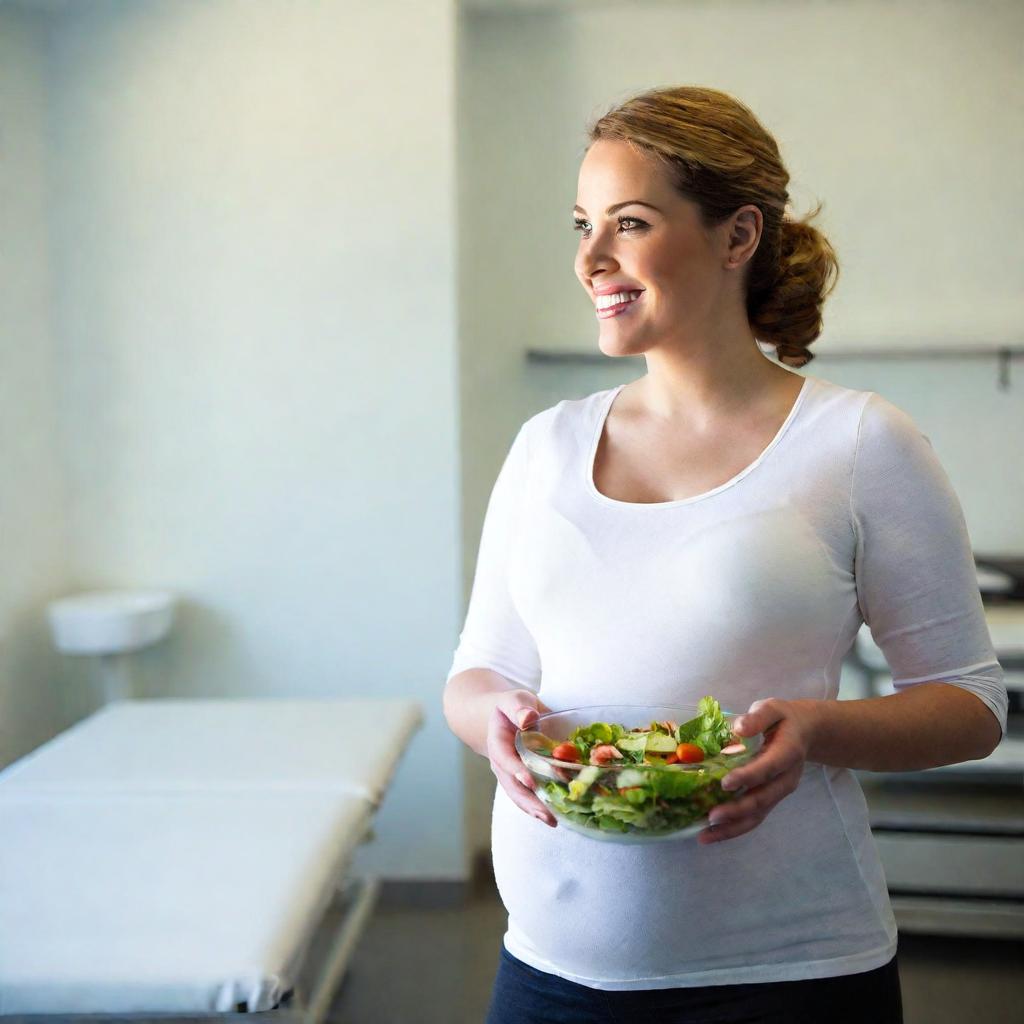
Pregnancy Weight Gain: Understanding the Journey
As you embark on the beautiful journey of pregnancy, it’s natural to experience a whirlwind of emotions and questions, especially when it comes to weight gain. This transformative time nurtures not just a new life but also changes your body in profound ways. Let’s explore the essential aspects of pregnancy weight gain together, helping you navigate this experience with reassurance and understanding.
What to Expect: Weight Gain Ranges
It’s important first to recognize that every pregnancy is unique. The amount of weight gain during pregnancy can vary widely based on several factors, including pre-pregnancy weight, overall health, and multiple pregnancies. According to the Institute of Medicine (IOM), here are general guidelines for weight gain during pregnancy:
- Underweight (BMI less than 18.5): 28-40 pounds
- Normal weight (BMI 18.5-24.9): 25-35 pounds
- Overweight (BMI 25-29.9): 15-25 pounds
- Obesity (BMI 30 and above): 11-20 pounds
These ranges serve as guidelines and can be adjusted based on individual health circumstances. Always consult your healthcare provider to determine the appropriate weight gain for your body.
The Science of Weight Gain
During pregnancy, weight gain is not merely about adding pounds but understanding where that weight accumulates. Here’s a breakdown of the typical weight gain components:
- Baby: Approximately 7-8 pounds
- Placenta: About 1.5 pounds
- Amniotic fluid: Roughly 2 pounds
- Increased blood volume: Around 3-4 pounds
- Breast tissue: About 1 pound
- Fat stores: 5-9 pounds
This illustrates that much of the weight gain is related to supporting your growing baby, which is both healthy and necessary!
Nourishing Your Body: The Right Approach
While it can be easy to feel overwhelmed by weight gain discussions, this is an excellent opportunity to focus on nourishing yourself and your baby. Eating a balanced diet rich in whole foods, vitamins, and minerals is crucial. Here are some dietary recommendations:
- Fruits and Vegetables: Aim for a colorful plate packed with various nutrients.
- Lean Proteins: Include sources such as poultry, fish, beans, and legumes to support your body’s needs.
- Whole Grains: Choose whole grains over refined grains to maintain energy and fiber intake.
- Dairy: Incorporate healthy options like yogurt or cheese, which are rich in calcium and beneficial for both you and your baby.
Consider consulting a registered dietitian who specializes in maternal health for personalized advice tailored to your needs.
Understanding Emotional Connections to Weight
It’s normal to grapple with body image during pregnancy. You may find yourself feeling sensitive about how your body is changing, which is entirely valid. Here are some thoughts to keep in mind:
- Your Body is Doing Incredible Work: Remember that your body is creating new life and that weight gain during pregnancy is a natural and healthy part of this process.
- Social Pressures: Be conscious of societal influences that can impact how you view your weight gain. Surround yourself with positive, supportive individuals who uplift you.
- Practice Kindness Towards Yourself: Focus on self-compassion and remind yourself that every body’s journey is unique.
Engaging in mindfulness or talking about your feelings with supportive friends or professionals can help you navigate these emotional waves during this time.
Staying Active Safely
Being active during pregnancy can tremendously benefit your physical and mental health, but it is essential to approach it mindfully. Always consult with your healthcare provider before starting or continuing any exercise regimen. Here are some gentle and safe options:
- Walking: A simple and effective way to stay active.
- Prenatal Yoga: Helps maintain flexibility and reduces stress.
- Swimming: Great for alleviating swelling and maintaining mobility.
The key is to listen to your body and honor its rhythms during this journey.
After Baby: Navigating Postpartum Weight
After your little one arrives, you might feel pressure to return to your pre-pregnancy weight. However, it's crucial to remember that your body has undergone significant changes, and allowing it time to heal is vital. Weight loss may happen naturally as you adjust to feeding and caring for your newborn. Focus on nurturing your body and embracing the changes that come with motherhood.
Here are some helpful reminders for the postpartum period:
- Prioritize Rest: Sleep when you can. Rest is critical for recovery and adjustment.
- Seek Support: Join a mother’s group or seek guidance from healthcare professionals when needed.
- Set Realistic Goals: Embrace gradual changes instead of setting rigid expectations for weight loss.
Above all, remember that your self-worth is not tied to a number on a scale; it’s about the love and care you provide for your little one.
In Closing: Embrace Your Journey
Pregnancy and motherhood can be a beautiful blend of joy and challenges, including the greater awareness of your body’s changes. Embrace this journey with kindness towards yourself, trusting that your body is doing exactly what it was designed to do. Surround yourself with love, guidance, and accurate information to navigate this time smoothly. Know that you are not alone, and there is a supportive community ready to embrace you throughout your experience.
Articles for you
Rewritten Cord Blood Banking Guide (Inverted Pyramid, HTML-ready)
It’s completely normal to feel pulled in two directions right now—hopeful about possibilities, but uncertain about what’s truly worth doing. Many pare...

Balancing Breastfeeding and Returning to Work: A Guide for New Mothers
Returning to work after maternity leave is a significant transition for any new mother. Balancing breastfeeding with the demands of a professional env...

Navigating Baby Growth Spurts & Choosing the Perfect Name
Welcoming a new baby into your life is one of the most joyous occasions imaginable, birthing both celebration and challenges. As your baby grows, thei...