Postpartum Recovery Guide: What, Why, How, What If
29/10/2025

What: Postpartum recovery is the process by which your body heals and adapts after childbirth. It includes physical changes—like uterine involution, diastasis recti, hormonal shifts—and emotional adjustments as you bond with your baby.
Why: A clear understanding of these changes empowers you to support healing, reduce discomfort, prevent complications, and nurture your mental well-being. Proper recovery lays the foundation for lasting strength and resilience.
How: Adopt a holistic approach that combines gentle movement, nutrition, hydration, rest, and emotional care:
- Gentle movement: Begin with pelvic tilts, short walks, light stretching, and Kegel exercises. Progress slowly and listen for pain, increased bleeding, or dizziness—pause and consult your provider if needed.
- Nutrition & hydration: Focus on protein (lean meats, beans, Greek yogurt), vitamin C (berries, bell peppers), iron (leafy greens, red meat), and omega-3s (salmon, flaxseeds). Sip water or herbal tea throughout the day to support milk production and energy.
- Pelvic floor & core: Practice Kegels, transverse abdominis engagement, and bridges to rebuild stability. If you notice heaviness or leakage, consider a pelvic health physiotherapist.
- Incision & tear care: Rinse with warm water, pat dry, change pads often, and use cold packs or sitz baths. Once healed, gentle scar massage with vitamin E or approved oil can aid mobility.
- Rest & mental health: Sync short naps with baby’s schedule, limit screen time, dim lights, and practice breathing exercises. Track mood for more than two weeks of significant lows—seek professional support if needed.
- Support network: Communicate clear requests to family or friends for meals, chores, or baby care. Join local or online support groups (e.g., Postpartum Support International) for shared experience.
What If: Neglecting recovery can lead to prolonged pain, muscle weakness, mood disorders, or pelvic dysfunction. If you experience excessive bleeding, fever, sharp pain, or persistent emotional distress beyond two weeks, reach out to a healthcare professional immediately. For deeper guidance, follow up with your OB-GYN, a pelvic health physiotherapist, or a mental health specialist.
Articles for you
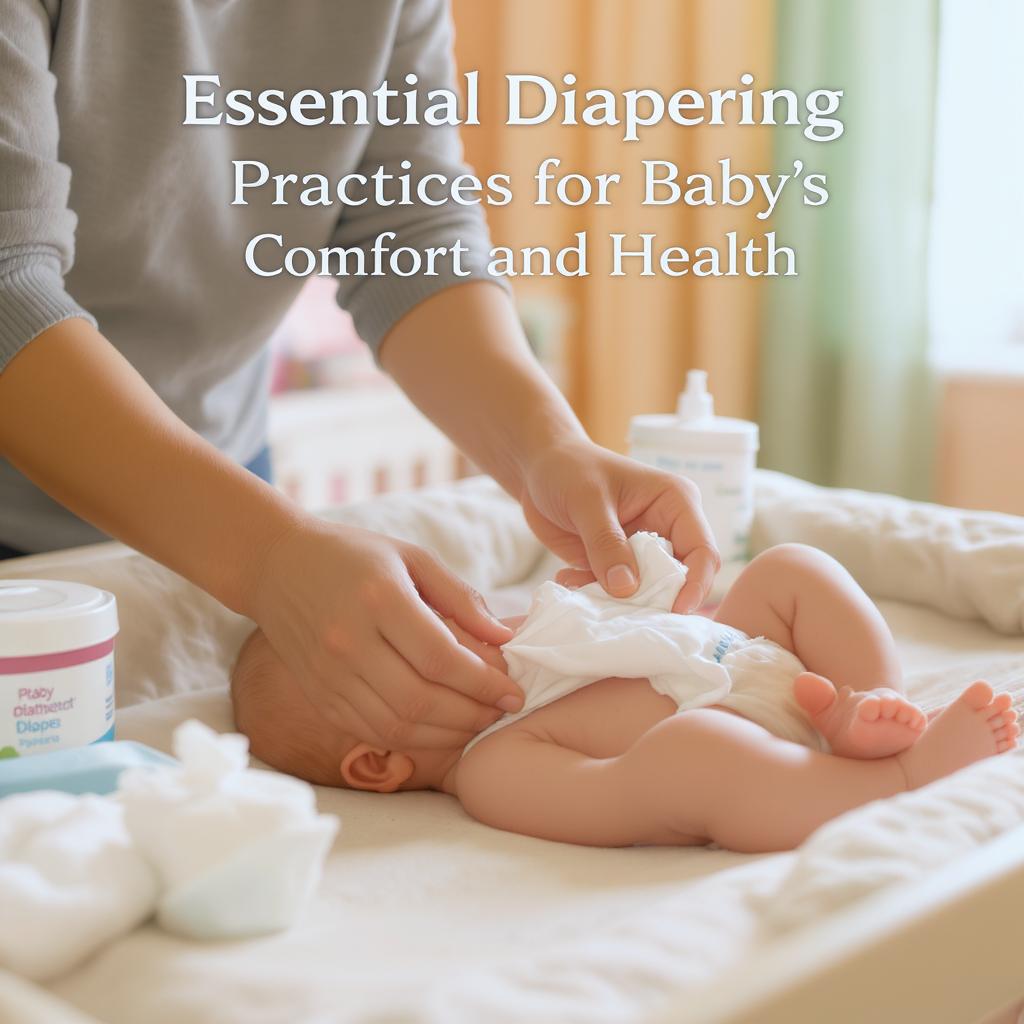
Essential Diapering Practices for Your Baby's Comfort and Health
What are we talking about? We're discussing the essentials of diapering, focusing on how to ensure your baby's comfort while choosing an approach that...
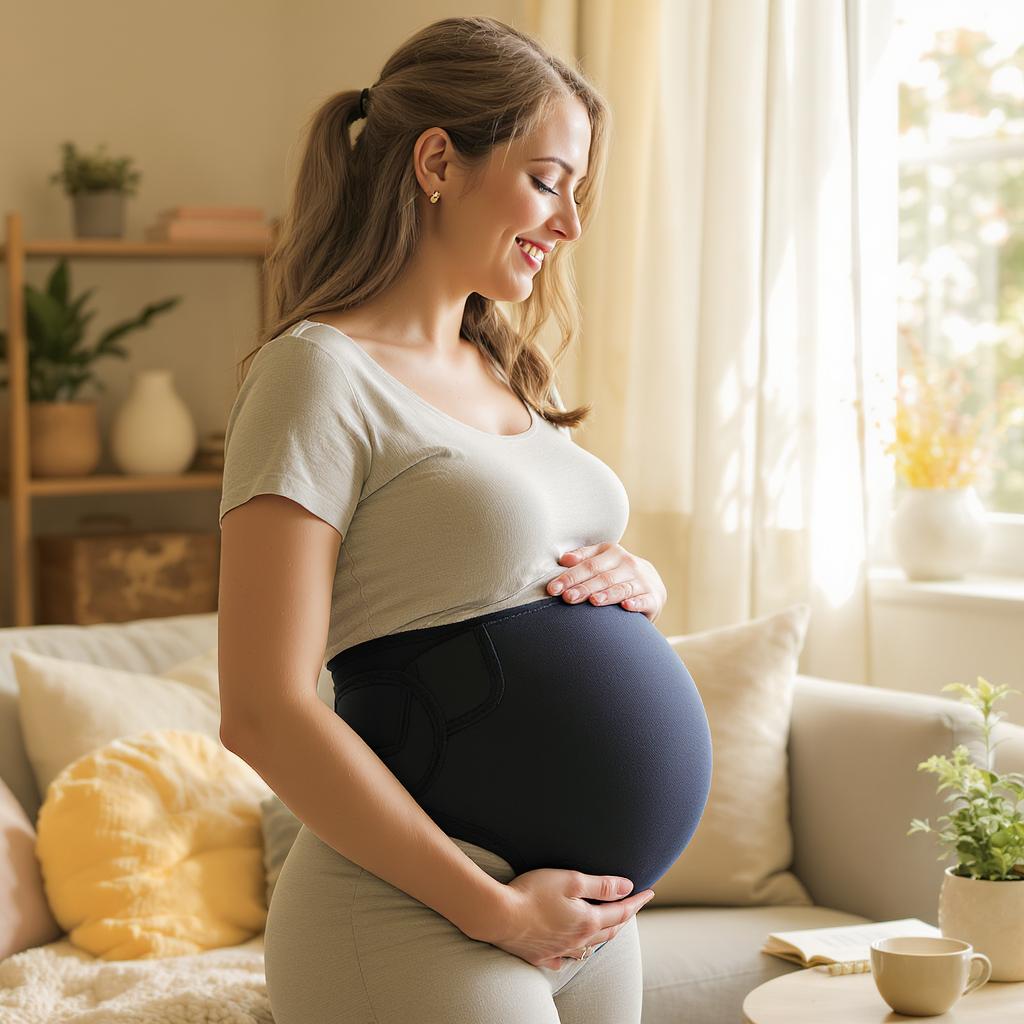
The Essential Guide to Pregnancy Support Belts: Comfort and Care for Expectant Mothers
Pregnancy support belts, also known as maternity belts or prenatal cradles, provide gentle compression and support to a pregnant belly. These speciali...
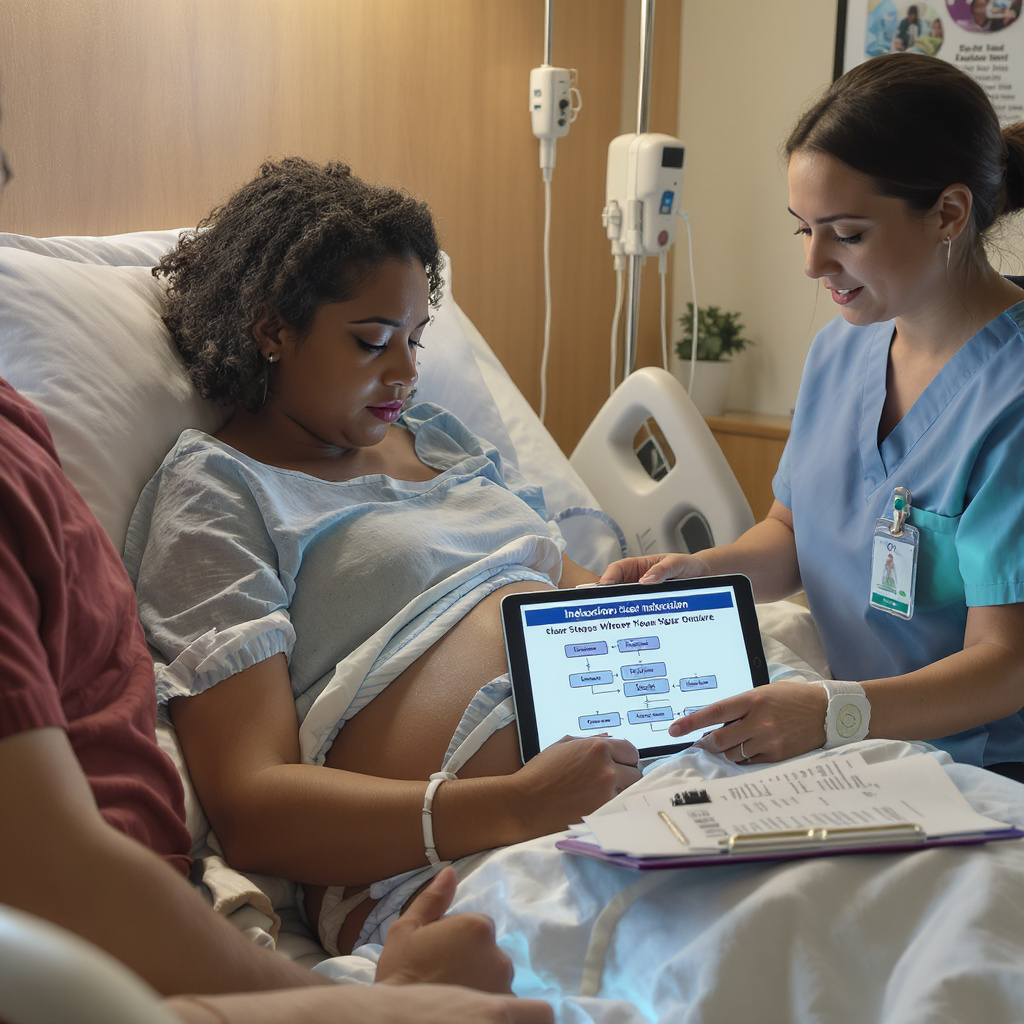
Induction: Clear Steps When You’re Unsure (Problem–Agitate–Solution)
Problem: Being told you need an induction can feel disorienting — sudden decisions, medical terms, and worry about outcomes like stronger contractions...