Postpartum Hair Shedding: Timeline, Tips, and Recovery
25/8/2025

Main point: It’s normal to experience noticeable hair shedding 2–4 months after giving birth. This temporary phase, called postpartum telogen effluvium, occurs as hormone levels rebalance.
- Timeline: Shedding peaks between 8 and 16 weeks postpartum and typically subsides by 12 months.
- Fact check: The American College of Obstetricians and Gynecologists confirms this is a common, harmless part of postpartum recovery.
- Normal versus concerning: Losing 50–100 hairs per day is expected. If you see bald patches, dramatic thinning, or a widening part, consult a dermatologist or trichologist.
- Stress & sleep: New‐parent fatigue and frequent nighttime feedings can elevate stress hormones, pushing more hairs into rest. Brief relaxation breaks—deep breathing, a short walk or swapping duties with a partner—support your nervous system.
- Nutrition support: Protein, iron, biotin and vitamin D are critical for strong strands. Breastfeeding can deplete stores, so aim for lean meats, eggs, leafy greens and fortified foods. Your provider can check levels and recommend supplements if needed.
- Medical checks: Persistent shedding beyond a year or patchy loss warrants simple blood tests for thyroid function, iron status or other imbalances.
Hair care tips: Choose mild, sulfate-free shampoos and lightweight conditioners. Avoid tight ponytails, buns or braids and minimize high-heat styling. A daily 3–5 minute scalp massage with your fingertips can boost circulation and encourage growth.
Your hair grows in three phases: anagen (growth), catagen (transition) and telogen (rest). During pregnancy, elevated estrogen extends anagen, so you shed less. After birth, estrogen levels fall, triggering many hairs to enter telogen at once—hence the shedding.
Styling strategies: Soft claw clips, headbands or lightweight texturizing sprays can camouflage thinner areas. Dry shampoo between washes adds volume at the roots.
Self-care reminder: Each new strand is a milestone. Gentle routines, balanced nutrition and peer support help your hair—and you—bounce back. For evidence-based guidance, visit ACOG Postpartum Care.
Articles for you
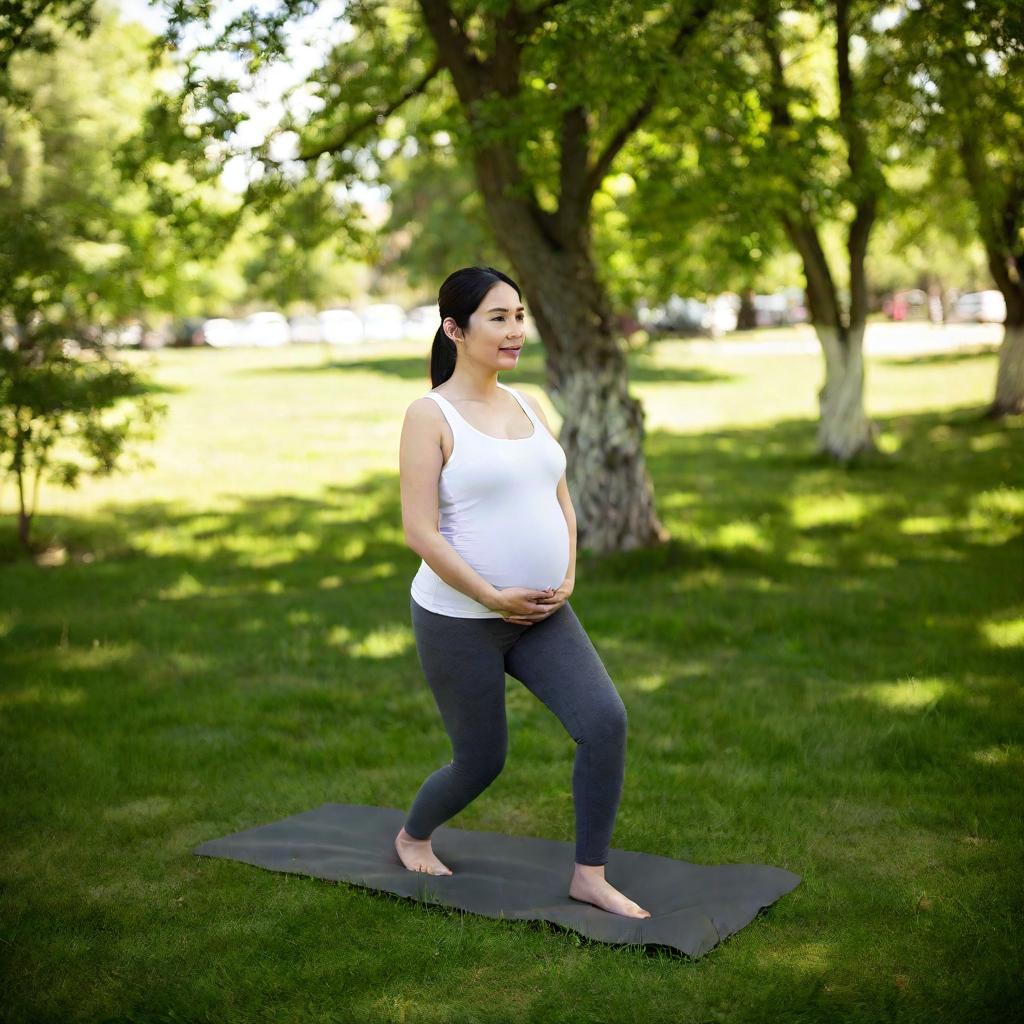
Nurturing Your Pregnancy Journey with Yoga: A Tranquil Oasis
Pregnancy is a beautiful, transformative journey, promising the gift of life and profound changes in a woman's body and spirit. Amidst this whirlwind ...

Simplifying Postpartum Recovery: The Crucial Role of Exercise in Healing
After childbirth, many new mothers face the challenge of navigating the postpartum period, a time when physical and emotional recovery is crucial. The...

Navigating the Journey of Pregnancy and Parenting
Each mother's experience of pregnancy is wonderfully unique, weaving its own tapestry of emotions. It's natural to oscillate between excitement, anxie...