PAS: A Simple Folate Plan for Preconception and Early Pregnancy
11/18/2025

Problem: Planning a pregnancy can feel stressful when you're worried about neural tube defects and whether you’re doing enough to protect your baby from the very start.
Agitate: Neural tube development happens very early, and uncertainty about the right folate amount, timing, and whether to take supplements can leave you anxious during a time when fatigue and nausea are common. Without a steady plan, you may worry you’re missing essential protection for your baby.
Solution: A simple, consistent folate plan can reduce worry and support both you and your baby. Use this practical approach as a starting point to discuss with your clinician:
- Target daily amount Aim for about 400–600 micrograms of folic acid daily from supplements, in addition to dietary folate, to meet daily needs even on lighter meal days.
- Timing Begin preconception, or as soon as pregnancy is planned, continuing through at least the end of the first trimester; your clinician may adjust timing based on your medical history.
- Dietary sources Include leafy greens, fortified grains, legumes, and citrus to supply natural folate and fortified nutrients as part of a colorful, varied plate.
- Supplements and labeling Prenatal vitamins typically contain folic acid; verify the amount on the label and follow clinician guidance if higher doses are needed due to risk factors.
- Safety and limits Avoid exceeding recommendations unless advised by a healthcare provider; very high intakes can have unclear effects and may mask other nutrient needs.
- Higher-dose considerations If you have a history of neural tube defects, pre-existing diabetes, obesity, epilepsy treated with certain medicines, or multiple pregnancies, your clinician may prescribe a higher dose started before conception and adjusted during pregnancy under supervision.
- Vegan or limited diets Pair folate intake with reliable sources of vitamin B12, since B12 supports folate utilization in the body; consider fortified foods or a B12 supplement and discuss the plan with your clinician.
- Medication and conditions Discuss any medicines or health conditions that could affect folate metabolism with your healthcare team to tailor guidance to you.
Keep a simple routine to help you remember: take your folic acid with meals, in a way that fits your day, and store the supplement in a visible spot to support consistency.
Always follow your healthcare team’s guidance and discuss any dose changes before making them.
Articles for you

7 Essentials for a Safe and Flexible VBAC/TOLAC Plan
7 Essentials for a Safe and Flexible VBAC/TOLAC Plan 1. Clarify scar type and placenta status Knowing your prior uterine scar (low-transve...

Embracing Newborn Care: Bathing, Babywearing, and Vitamin D Essentials
The Delicate Balance of Nurturing: Bathing Your Newborn, Babywearing While Breastfeeding, and the Importance of Vitamin D Welcoming a new life into y...
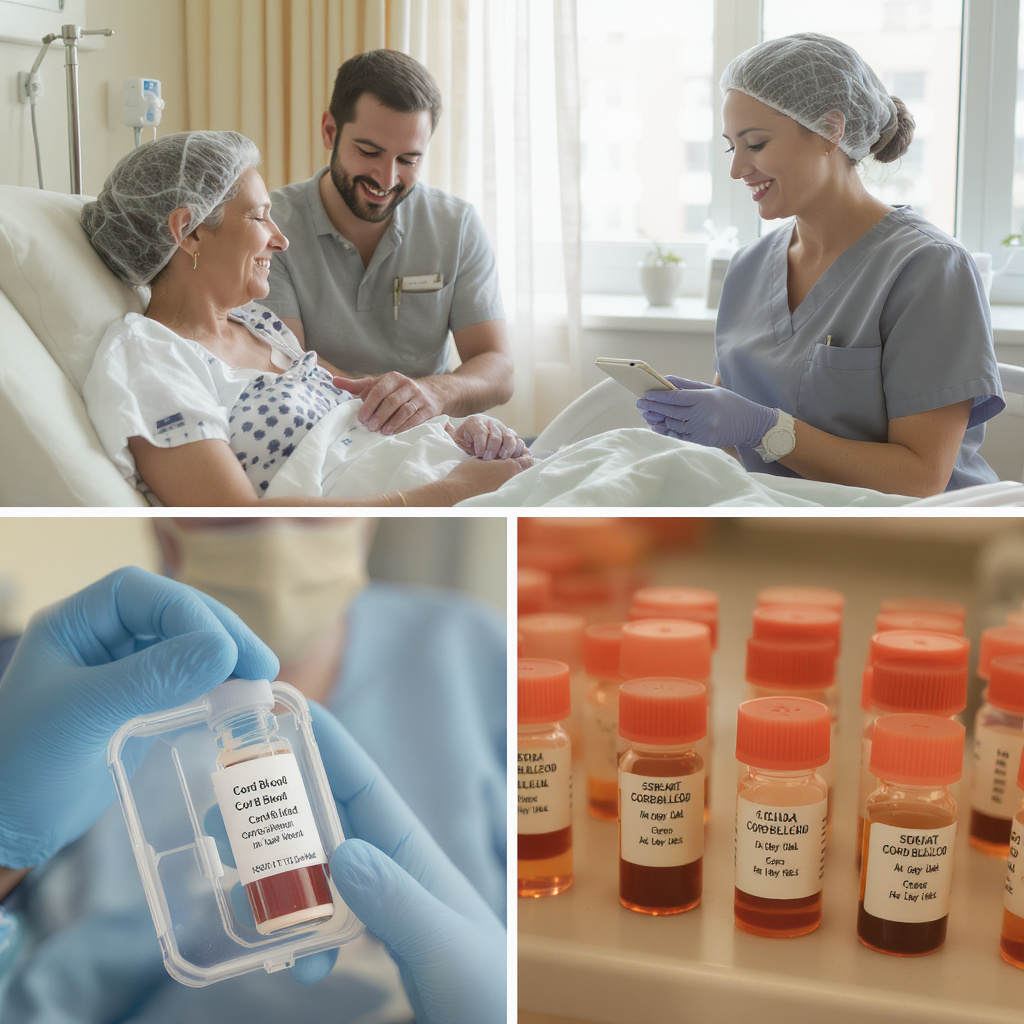
Cord Blood Banking and Birth Planning: Pillar Post
Cord Blood Banking and Birth Planning: Pillar Post This pillar post provides a broad overview of cord blood banking and how it fits into birth plannin...