Navigating Sibling Rivalry: A Guide for Parents
5/11/2024
Understanding Sibling Rivalry
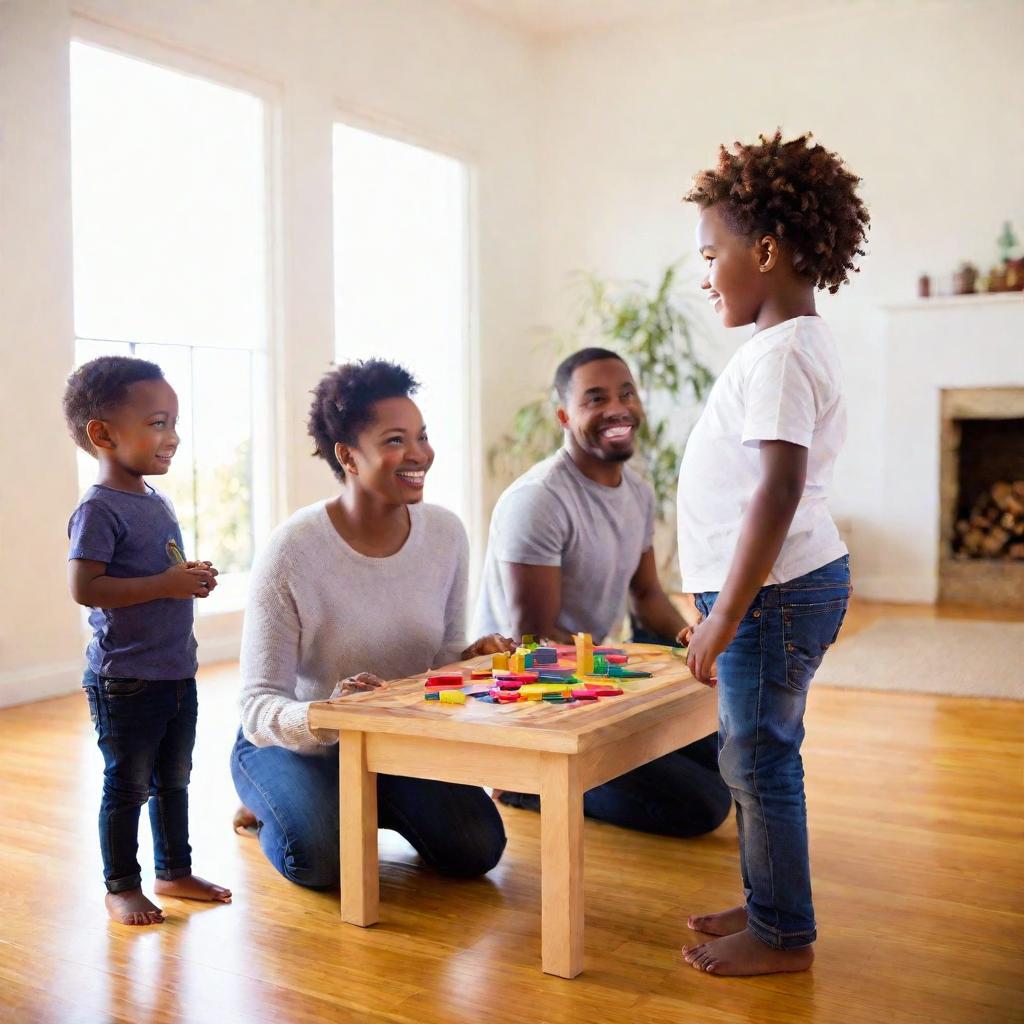
Sibling rivalry is a common occurrence in families, where competition, jealousy, or even resentment may spring up between brothers and sisters. These feelings can emerge at different stages as children vie for attention, resources, or validation. As a parent, it’s important to recognize and address these emotions to foster a harmonious environment.
Identifying the Root Causes
To manage sibling rivalry effectively, it's crucial to identify the underlying causes. Rivalry can be fueled by various factors including age differences, personality clashes, or perceived favoritism. Understanding the specific dynamics in your family can help you in tailoring strategies that address the root causes.
Setting the Stage for Cooperation
Create an atmosphere where cooperation is more rewarding than competition. Encourage activities that require teamwork, such as building puzzles, cooperative games, or household tasks that siblings can tackle together. Celebrate their collective achievements to promote a sense of unity.
Fostering Individuality and Fairness
Recognizing each child's unique strengths and contributions is essential. Providing equal stimulation and validation ensures no child feels overshadowed. Avoid comparisons, as these can lead to resentment. Instead, focus on individual accomplishments and set consistent rules to maintain fairness.
Creating Personal Space and Boundaries
Ensure each child has some personal space and autonomy to explore their interests and passions. This can help prevent conflicts arising from constant interaction. Encourage children to express their needs and respect their siblings’ boundaries.
Listening and Mediating with Empathy
When conflicts arise, take the time to listen to each child’s perspective. Rather than choosing sides, mediate with empathy. Help them understand each other’s viewpoints and come to a mutually agreeable solution. This not only resolves the current issue but also equips them with conflict-resolution skills for the future.
Modeling Positive Behavior
Children often mimic adult behavior. Demonstrate respect, patience, and kindness in your interactions. Show them that disagreements can be resolved calmly and constructively. Your actions can guide them in adopting healthy ways of dealing with conflicts.
Providing Emotional Support and Reassurance
Offer regular doses of emotional support to each child individually. Assure them of their unique importance within the family and reinforce their self-esteem. Emotional security can greatly reduce tendencies towards rivalry.
Embracing the Learning Moments
Understand that sibling rivalry isn’t inherently negative. It can be an opportunity for children to learn valuable social skills like negotiation, empathy, and patience. Encourage them to see conflicts as moments of learning rather than battles to be won.
The Path Forward
Navigating the ebb and flow of sibling rivalry requires patience and persistence. By staying attuned to your children’s needs and guiding them through challenges with empathy and understanding, you can help build a family environment that thrives on mutual support and love. Remember, each small step towards harmony fosters a lifelong bond that will support them as they grow.
Articles for you

Cradle Your Heart: Nurturing the Bond Through Breastfeeding
Cradle Your Heart: Nurturing the Bond Through Breastfeeding In the tender hours of the night or the gentle light of dawn, as your little one nestles ...

Embracing Baby Sleep Patterns and Overcoming Engorgement: A Guide for Expecting Mothers
Finding Harmony: Navigating Baby Sleep Patterns and Breast Engorgement During Pregnancy As soon as the pregnancy test turns positive, a beautiful cac...
Understanding Baby Blues and Your Baby’s Milestones: A Guide for New Parents
Welcoming a new baby into your home is one of life’s most miraculous events. However, amidst the joy and celebrations, new parents often face unexpect...