Keep Baby Close, Stay Safe: A Practical Babywearing Guide (Problem–Agitate–Solution)
2/1/2026
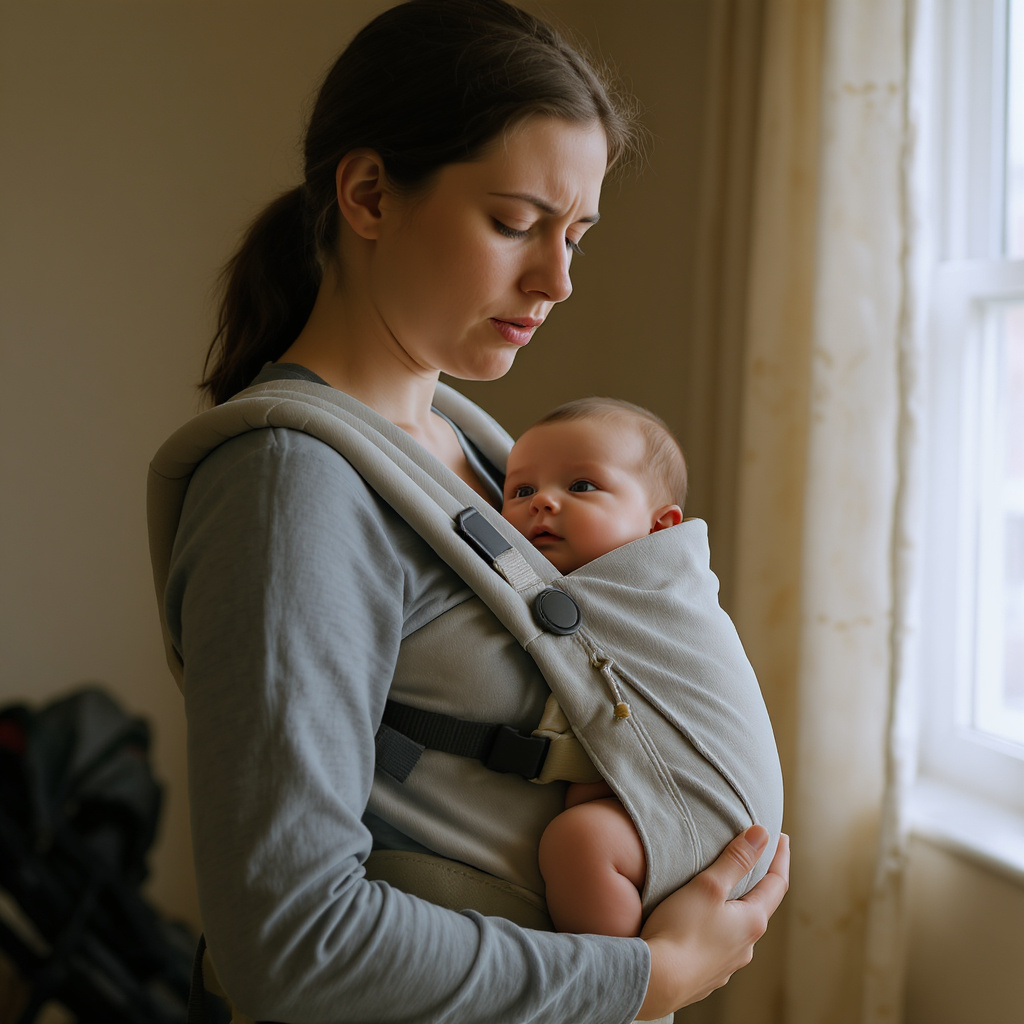
Problem: New parents are exhausted, juggling feeds, errands and a constantly fussy infant. You want closeness and easier breastfeeding, but you worry: is the carrier safe? Will my baby overheat, slump, or develop hip problems? Conflicting advice and unfamiliar gear can make babywearing feel risky instead of helpful.
Agitate: That worry isn’t small. When unsure, parents avoid helpful tools or use carriers incorrectly — leading to sleepless nights, reduced confidence, interrupted bonding and real safety risks like airway obstruction or poor hip positioning. Overheating, hidden faces, loose fastenings, or wearing the wrong type for a tiny or medically vulnerable baby can turn a comforting practice into a dangerous one.
Solution: Thoughtful, informed babywearing gives you the closeness you need while keeping your baby safe and comfortable. Below is a practical, easy-to-follow approach that pairs benefits with clear safety checks so you can carry with confidence.
- Why wear: Promotes calming and less crying, supports breastfeeding, and strengthens parent–baby bonding while freeing your hands for gentle tasks.
- Who benefits: Newborns through toddlers — but check carrier age/weight limits and seek advice for preterm, low birthweight, reflux, or hip concerns.
- Wraps: Very snug for newborns and great for skin‑to‑skin and nursing; learning curve and can be warm.
- Ring slings: Quick and handy for feeds; uneven weight on one shoulder and may need frequent adjustment.
- Soft‑structured carriers: Supportive for longer wear, often adjustable; bulkier and some need an infant insert.
Quick safety routine: Use the TICKS checklist before each use:
- Tight: Snug so baby can’t slump.
- In view: Face visible without moving fabric.
- Close enough to kiss: Head within easy reach.
- Keep chin off chest: Gap under chin for airway.
- Supported back: Natural spine curve; hips in an 'M' position (knees higher than bum).
Practical checks: Inspect seams, buckles and rings before each use. Dress your baby in one light layer more than you wear; avoid bulky coats under the carrier. If the baby feels very warm, damp, flushed, or breathes quickly, remove a layer and cool down.
When to be extra cautious: Avoid cooking with hot liquids, vigorous exercise, cycling, or leaning back while wearing your baby. If your baby was born early, has low birthweight, reflux, or hip concerns, consult your pediatrician before extended wear or certain positions.
Get hands‑on support: A certified carrier consultant or local babywearing group can show safe positioning, help you try carriers with your clothes and baby, and build your confidence quickly.
Bottom line: Babywearing can solve the pain of juggling care and closeness — when done with the right gear, routine safety checks, and professional guidance. Take it slowly, follow TICKS, and ask for help so you can enjoy the benefits without adding risk.
Articles for you

Navigating Baby Growth Spurts & Choosing the Perfect Name
Welcoming a new baby into your life is one of the most joyous occasions imaginable, birthing both celebration and challenges. As your baby grows, thei...

Whispers of the Night: Mastering Baby Sleep, Hospital Essentials, and Soothing Colic
Whispers of the Night: Mastering Baby Sleep, Hospital Essentials, and Soothing Colic Welcoming a new life into the world is a profound journey filled ...

Newborn Jaundice: A Pillar Guide with Cluster Posts for Parents and Clinicians
This pillar post gives a clear, parent-friendly overview of newborn jaundice and links to shorter cluster posts that explore specific subtopics in dep...