GBS in Pregnancy: What, Why, How, What If
11/14/2025
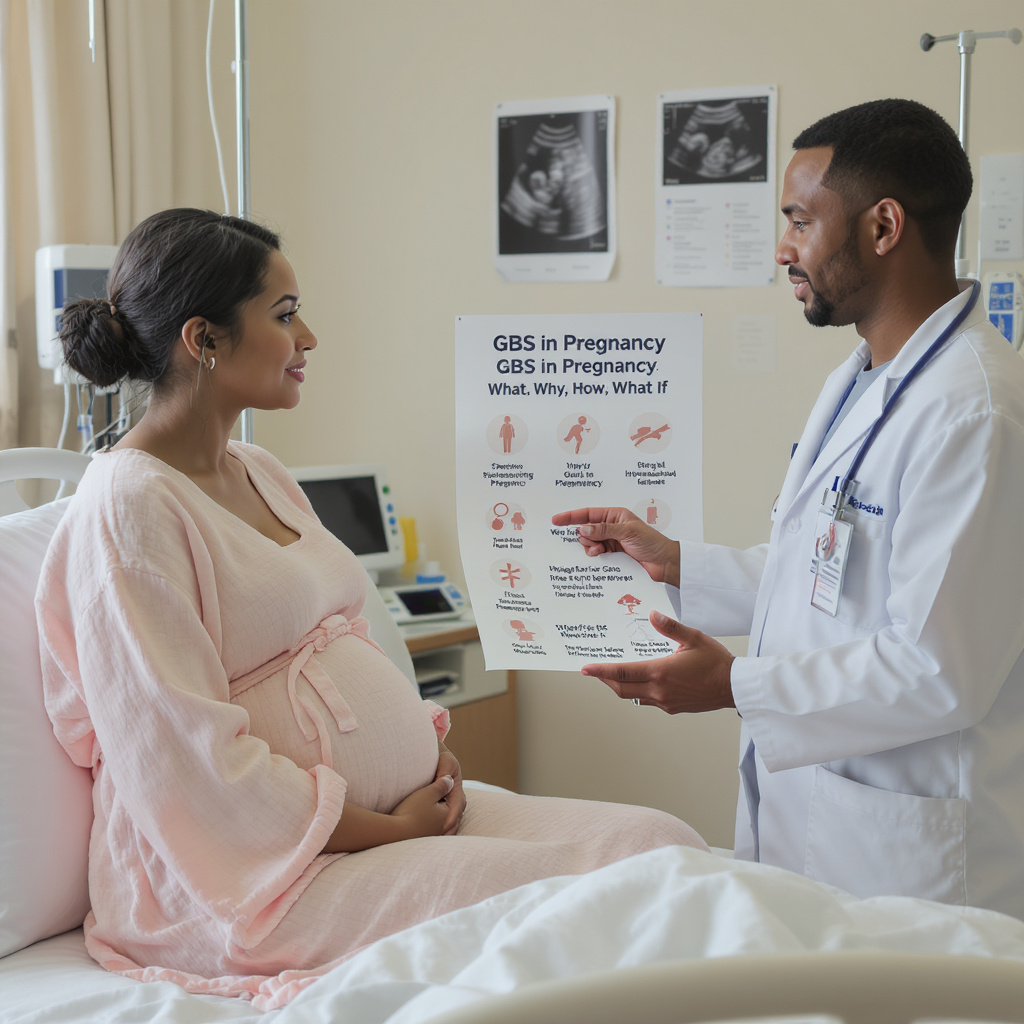
What we’re talking about GBS stands for group B Streptococcus, a common bacteria carried by many healthy adults. In pregnancy, the goal is to protect your baby during birth. A simple screening plan helps your baby stay safe.
Why it matters If you carry GBS, your baby can be at risk during labor. A positive screen means intrapartum antibiotics to reduce transmission; a negative screen lowers risk but doesn’t eliminate it. Antibiotics given during labor are safe and standard care for most people.
How you do it Screening is typically done between 35 and 37 weeks with a quick vaginal-rectal swab. The test is usually quick and painless; results are often ready within a few days. If positive, antibiotics are given by IV during labor (and if membranes rupture) to prevent exposure to the baby. Penicillin G is the first-line choice for most people. If you have a penicillin allergy, your care team will choose a safe alternative based on guidelines: cefazolin for mild reactions, or clindamycin or vancomycin for more significant allergies after susceptibility checks. Antibiotics are given only during labor or with rupture of membranes to protect your baby, while keeping you comfortable. If you’re planning a home birth or birth center with a transfer plan, discuss IAP early so IV antibiotics can be arranged if needed.
- What if negative: Your baby’s risk is reduced and you’ll continue routine care with monitoring during labor.
- What if positive: IV antibiotics during labor or at rupture of membranes to prevent transmission.
- Allergy management: Options include cefazolin for mild allergies or clindamycin/vancomycin for more significant allergies after susceptibility checks.
- Settings and transfer: If planning a home birth or birth center, discuss a transfer plan to ensure access to IAP if needed.
If you’re outside the United States, your care team will reference country-specific guidelines and tailor the plan to your history, values, and birth setting. In all cases, IAP is used to protect most newborns by reducing early-onset GBS disease.
What happens after birth Most babies are fine; in rare cases, infection may occur and require hospital treatment. Breastfeeding is encouraged and compatible with IAP. If you received antibiotics during labor, your care team will share tips for feeding and any precautions.
Country-guided care Guidance varies by country. Your team will reference current recommendations from CDC/ACOG in the United States or NICE/RCOG and local authorities elsewhere to fit your history, values, and birth setting.
What if you don’t (or want to go further)? If you choose not to be screened or to decline IAP, the risk to your baby may be higher. Your care team can discuss benefits, small risks, and your delivery options (vaginal vs cesarean), and how plans change if labor starts early or membranes rupture. You can also ask about alternatives, transfer planning for home births, and how antibiotics may affect you and your baby’s gut bacteria and breastfeeding. Consider these questions: What is my actual risk? How does IAP change that risk? What are possible side effects? How will this affect breastfeeding?
Best for Educational blogs, thought leadership, and explainer content that helps families understand GBS, screening, and intrapartum antibiotics.
Articles for you
Harnessing the Power of Kangaroo Care and Navigating Newborn Care Challenges
Building Bonds: The Power of Kangaroo Care in the Newborn Experience Bringing a new life into the world is a remarkable journey filled with joy, chall...

Embracing the Journey: Understanding Pregnancy Stretch Marks
Stretch marks, medically known as striae gravidarum, are narrow streaks or lines that appear on the skin surface, often during pregnancy. These marks ...

Responsive Baby Care: Prioritizing Cues for Feeding and Sleep
When you tune in to your baby’s hunger, sleepiness and alert cues and respond promptly, you build trust, emotional security and healthy stress regulat...