Exploring the Option of Vaginal Birth After C-Section (VBAC)
2/5/2025

Considering a Vaginal Birth After C-Section (VBAC) can be a significant decision for mothers who've previously undergone a cesarean section. Many women who have experienced a C-section consider VBAC for the potential benefits, including a shorter recovery period and the ability to experience a vaginal delivery.
It's important to understand that VBAC isn't suitable for everyone, but with the right preparations and support, it can be a safe option. Here, we explore some key factors that come into play when deciding if VBAC is right for you.
Understanding the Benefits and Risks of VBAC
- Benefits: Opting for a VBAC can result in less pain post-birth, a shorter hospital stay, and a quicker return to normal activities compared to a repeat C-section. Mothers can also avoid abdominal surgery and its associated risks, thereby reducing the likelihood of infections and blood loss.
- Risks: However, VBAC carries its own risks, such as uterine rupture, which, though rare, can pose significant health concerns for both the mother and baby. Proper evaluation by healthcare providers is essential to assess these risks and determine the best course of action.
Who is a Good Candidate for VBAC?
Several factors are considered to determine if a woman is a suitable candidate for VBAC. These include:
- Type of Previous C-Section Incision: A low transverse incision on the uterus is generally more favorable for VBAC.
- Overall Health: Your health and the health of your baby play crucial roles in the decision-making process. Conditions like high blood pressure or diabetes may influence the choice.
- Reasons for Previous C-Section: Understanding why the previous C-section was performed is vital. If it was due to a non-recurring reason, VBAC might be a viable option.
Preparing for a VBAC
Preparation is key when considering a VBAC. Working closely with healthcare providers to monitor the pregnancy can help determine if you're a suitable candidate. Discussing your birth plan with your medical team is crucial to address any potential emergency situations quickly and safely.
The Role of Support
Support from family, friends, and healthcare professionals can significantly impact your VBAC journey. Joining VBAC support groups, either online or in-person, can provide emotional and informational support from other mothers who have been on similar paths.
Having supportive and knowledgeable professionals, such as midwives or doulas, can also help ease anxiety and answer any questions you might have along the way.
Remember, the decision to pursue a VBAC is deeply personal and should be made based on a comprehensive understanding of the potential risks and benefits, as well as your own comfort and health needs. With informed choices and supportive care, a VBAC can offer a fulfilling birthing experience.
Making such decisions during pregnancy emphasizes the importance of trusting your instincts and working closely with your healthcare team. Each pregnancy is unique, and embracing the informed guidance of medical professionals will guide you toward a safe and healthy birthing experience.
Articles for you

Responsive Baby Care: Prioritizing Cues for Feeding and Sleep
When you tune in to your baby’s hunger, sleepiness and alert cues and respond promptly, you build trust, emotional security and healthy stress regulat...

Empower Your Pregnancy: Safe Exercise Strategies for Well-being
Pregnancy brings a whirlwind of changes, and with it comes the challenge of maintaining physical activity. Many expecting mothers feel overwhelmed by ...
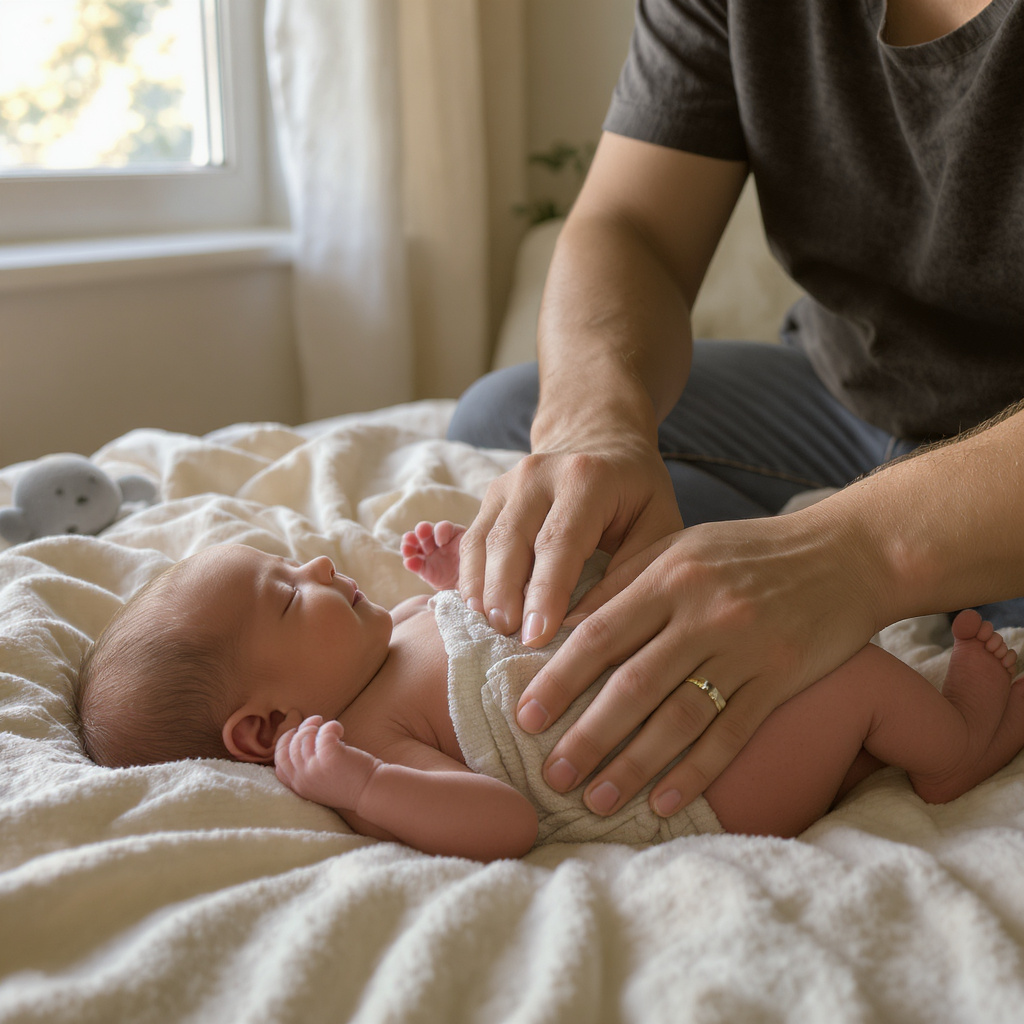
7 Ways Gentle Massage Helps You Soothe, Bond With, and Support Your Baby
Touch is a gentle language between you and your baby. Try these 7 simple, evidence‑informed ways to use massage safely and effectively. 1. Strengt...