Essential Newborn Vaccination Guide
20/10/2025
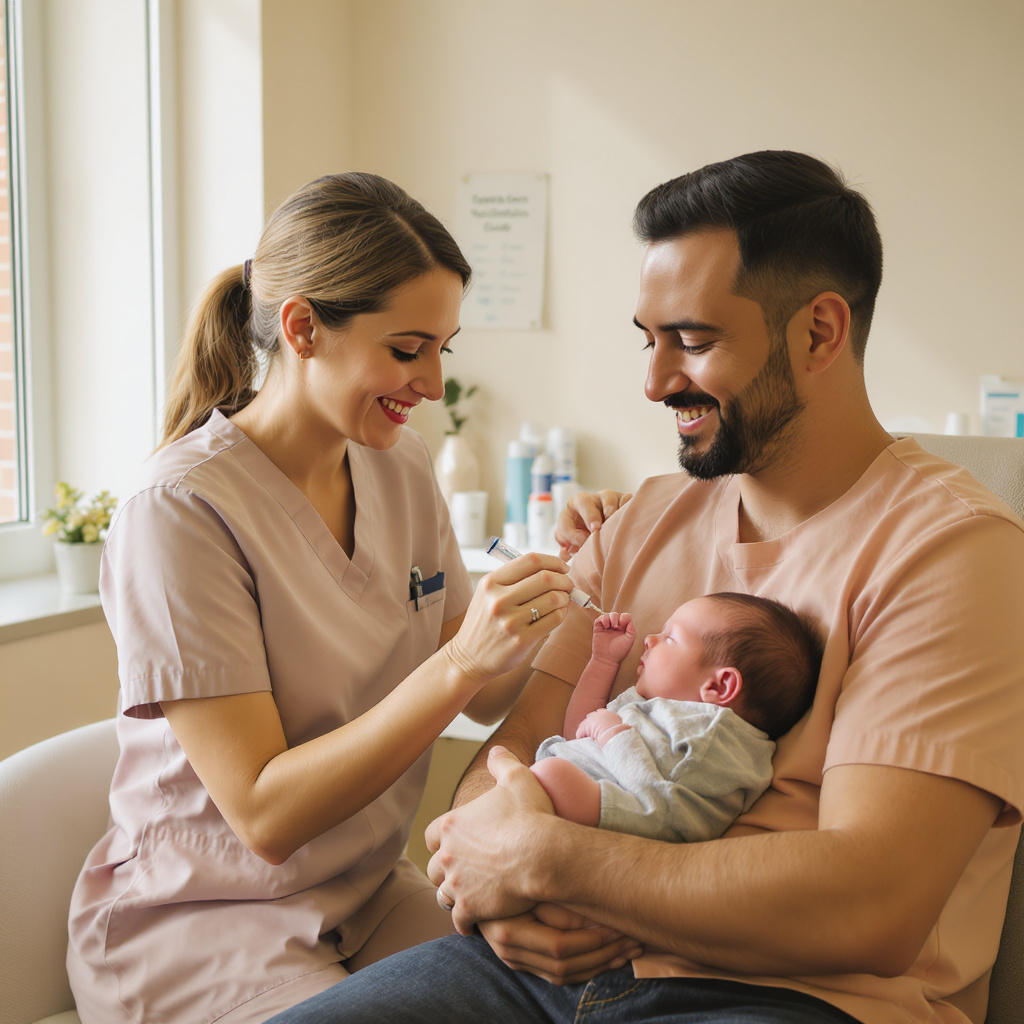
Newborn vaccinations are your baby’s first line of defense against serious infections. Starting with the hepatitis B shot at birth and following the CDC- and WHO-recommended schedule boosts immunity over 90% against chronic infections and drastically lowers the risk of life-threatening diseases like pertussis, meningitis and polio.
Vaccinating on time offers two key benefits: direct protection for your infant and community-wide herd immunity. While maternal IgG antibodies cross the placenta to shield your newborn during the first weeks, vaccines step in as those antibodies fade, training the baby’s own immune system to recognize harmful pathogens. When family members and close contacts stay current on their shots, they form a protective bubble around infants too young for full immunization.
Global monitoring systems such as VAERS, V-safe and WHO’s safety databases continuously track vaccine quality and rare side effects. Decades of clinical trials and real-world data confirm no link between routine immunizations and conditions like autism. Mild reactions—fussiness, low-grade fever or redness at the injection site—are normal signs of an active immune response and typically resolve within 48 hours.
- Birth to 2 months: Hepatitis B (dose 1), begin diphtheria-tetanus-acellular pertussis (DTaP), Haemophilus influenzae type b (Hib), inactivated polio (IPV), pneumococcal conjugate (PCV13) and rotavirus.
- 2–6 months: Complete DTaP, Hib, IPV, PCV13 and rotavirus series at 2, 4 and 6 months.
- 6–18 months: Final hepatitis B dose, catch-ups and boosters (Hib, PCV13, IPV as needed).
To prepare for each visit, pack health records, feeding notes and a favorite comfort item. Soothe your baby with skin-to-skin cuddles before and after shots, gentle pressure at the injection site and soft lullabies. Offer an age-appropriate dose of acetaminophen only if recommended by your pediatrician.
Track daily patterns—feedings, naps, moods—to spot unusual changes quickly. Contact your provider if fever exceeds 102°F for more than 24 hours, your baby refuses two feedings, shows signs of dehydration or has difficulty breathing.
Parents often worry about needle pain or scheduling. Simple self-care—deep breathing, healthy snacks or a short walk—can ease anxiety. Join a local moms’ group or a vetted online forum to share experiences and tips. Always ask your pediatrician about flexible spacing, combination shots or travel-related vaccines.
For reliable updates, visit the CDC Vaccine Information page, WHO immunization reports or the Vaccine Education Center at Children’s Hospital of Philadelphia. By following evidence-based guidance and staying curious, you’ll build resilience in your baby’s immune system and confidence in your parenting journey.
Articles for you

Navigating Pregnancy and Motherhood with Doula Support: A Journey of Empowerment and Care
Welcoming a new life into the world is an extraordinary and transformative journey. For many expectant mothers, this period is filled with a mix of an...

Mastering the Art of Diapering: A Gentle Guide for New Moms
Welcoming a newborn into your life is an experience like no other, filled with excitement, joy, and a hint of nervousness. As a new mom, it's natural ...

Home Birth: A Step-by-Step Guide
Home birth offers personalized, low-intervention care in a familiar setting. With proper eligibility screening, skilled midwives, and clear transfer p...