Ensuring Safety and Comfort for You and Your Baby
21/9/2024

Ensuring Safety and Comfort for You and Your Baby
Becoming a parent brings a whirlwind of emotions—joy, excitement, and a dash of anxiety. It's a profound journey where you seek to protect and nurture your little one while also caring for your own well-being. In this article, we'll explore essential topics that every expecting and new mother should know about: car seat safety, the benefits of baby sleep sacks, and understanding preterm labor. Our goal is to provide you with reassuring, evidence-based information that supports you through this incredible phase of life.
Car Seat Safety: A Crucial First Step
The moment you bring your newborn home, car seat safety becomes paramount. It's not just about compliance with laws; it's about protecting your child from harm. Research shows that car seats can reduce the risk of injury by up to 71% when used correctly. Here are some vital points to consider:
- Choose the Right Car Seat: Ensure the car seat is appropriate for your baby's age, weight, and height. Infant car seats are designed for those under 20-30 pounds and under 30 inches, while convertible seats can grow with your child.
- Installation Matters: Follow the manufacturer's instructions carefully. If unsure, many hospitals and local fire departments offer car seat safety checks to help you feel confident in your installation.
- Strap Security: Make sure your baby is securely strapped in. The harness should fit snugly, and you should only be able to fit one finger under the straps at the shoulders.
- Backseat is Best: Always place the car seat in the back seat of the vehicle. It’s the safest spot for your child.
- Expiration Dates: Car seats do expire. Check the date on your car seat and replace it if it’s past its lifespan.
By prioritizing car seat safety, you're taking the first step in assuring your baby's safety during travel. Remember, every time you make a journey, it's a new opportunity to safeguard your precious cargo.
Embracing Comfort: The Role of Baby Sleep Sacks
Transitioning your newborn into a sleep routine can be daunting. Understanding how to keep them safe while promoting better sleep can ease both their minds and yours. Baby sleep sacks serve as a practical solution, providing warmth and security while minimizing the risks associated with loose bedding.
- Safe Sleep Guidelines: Experts recommend that babies sleep on their backs in a crib free from any soft bedding for the first year. Sleep sacks help keep your baby snug without the dangers of blankets.
- Temperature Regulation: Sleep sacks come in various materials, allowing you to choose one suitable for the season and ensuring your baby is neither overheating nor too cool.
- Ease of Use: Many sleep sacks are designed with zippers or snaps, making diaper changes easier during those late-night wake-ups.
By integrating sleep sacks into your baby's sleep routine, you can foster a safer sleep environment while also instilling a sense of coziness that helps your little one drift off more peacefully.
Understanding Preterm Labor: What Every Mother Should Know
The journey leading up to childbirth is filled with anticipation, but for some women, preterm labor can introduce a sense of uncertainty. Preterm labor is defined as labor that occurs before 37 weeks of pregnancy. Awareness and preparation are key to managing this experience.
- Signs to Watch For: Symptoms may include regular contractions, lower back pain, pelvic pressure, or fluid leaking from the vagina. If you experience these, it’s crucial to contact your healthcare provider immediately.
- Risk Factors: Certain conditions, such as having a history of preterm labor, multiple pregnancies, or issues like high blood pressure, can increase the risk. Being aware of your personal risk factors can help you take proactive steps with your healthcare provider.
- Management and Care: If preterm labor is suspected, your doctor might recommend bed rest, hydration, or medication to stabilize you and your baby. Early intervention can significantly improve outcomes.
Knowledge is empowering, especially when navigating the complexities of preterm labor. By staying informed, you can advocate for yourself and your baby, ensuring you receive timely care whenever it's needed.
The Importance of Community Support
As you dive into the beautiful chaos of motherhood, remember that community matters. Sharing experiences with fellow parents can offer support and reassurance. Whether it’s a local parent group or online communities, connecting with others can provide comfort and valuable insights through your parenting journey.
In these early days, your focus is on nurturing your baby, but don’t forget to care for yourself as well. Prioritize your mental and physical health, lean on your support system, and remember that it’s okay to ask for help when you need it. You’re not alone in this journey—there’s a whole network of fellow parents walking alongside you.
Ultimately, your journey as a mother is unique, filled with love, challenges, and countless learning experiences. By arming yourself with knowledge about car seat safety, effective sleep routines, and being aware of preterm labor signs, you're taking invaluable steps to ensure the well-being of both you and your baby. Let your intuition guide you, trust the process, and embrace the beautiful moments that parenting brings.
Articles for you
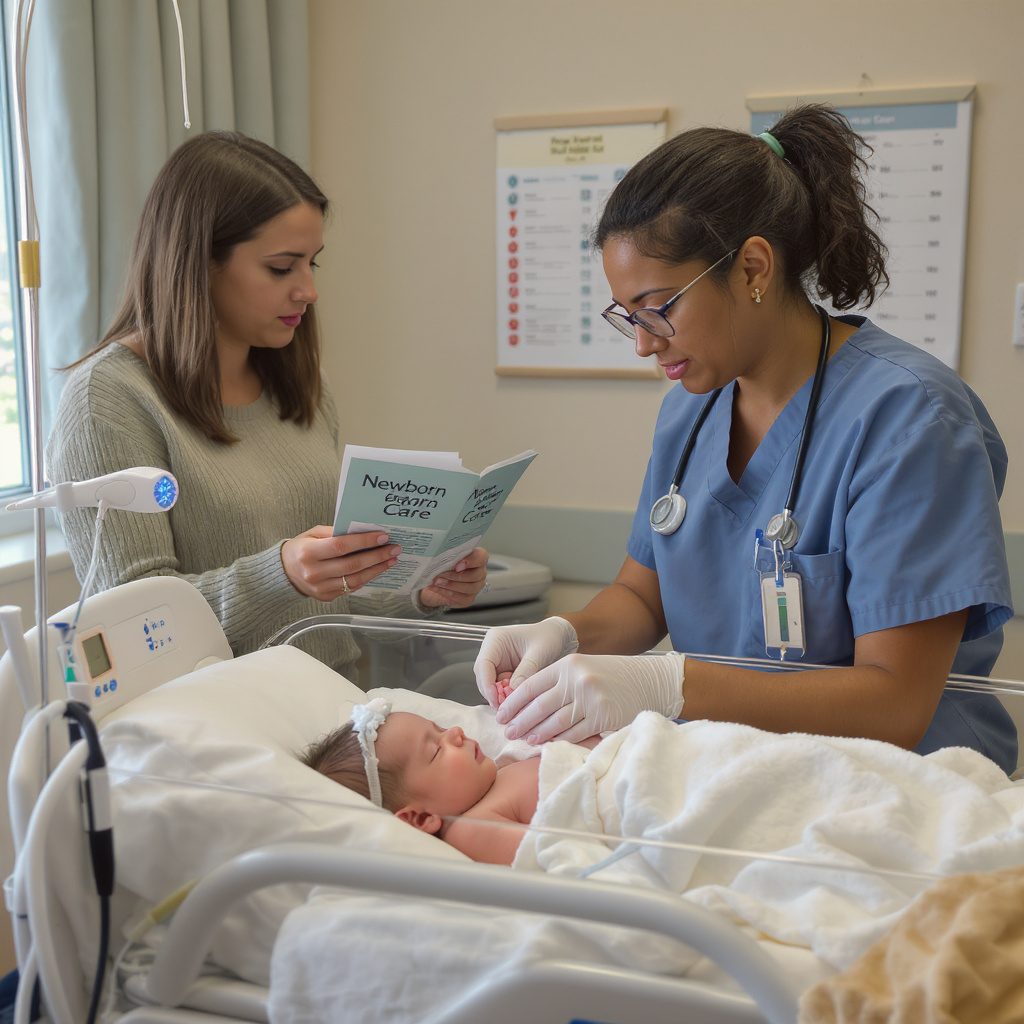
Newborn visit: what to expect, when to seek care, and practical tips
Main point: Most newborns should see a pediatrician within the first week of life (commonly 48–72 hours after early discharge or around 3–5 days). Ear...

Nurturing Through Water, Wraps, and Wonder: A Guide for New Parents
Water, Wraps, and Wonder: The Joy of Nurturing Your Newborn Becoming a parent is a wondrous journey that unfolds day by day, moment by moment, full o...

Effective Breast Milk Storage: Overcoming Challenges and Ensuring Quality
Breastfeeding can be challenging, especially when it comes to managing the expression and storage of breast milk. For many mothers, finding the right ...