Ensuring Infant Safety: A Guide for New Parents
22/10/2024
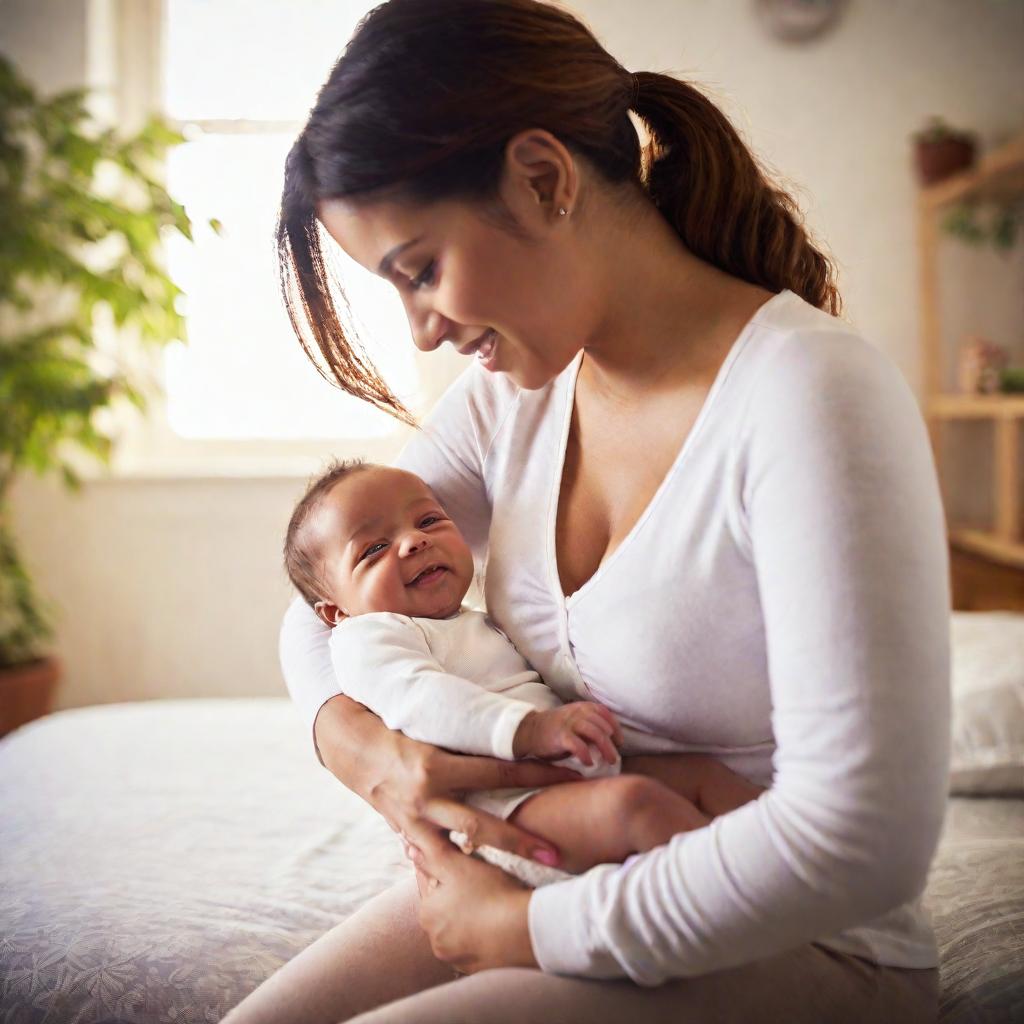
Ensuring Infant Safety: A Guide for New Parents
As a new parent, one of your foremost concerns is your baby's safety. From the moment they arrive, you might feel overwhelmed by the responsibility of keeping your little one safe. It’s normal to have questions and concerns. Let's explore essential safety measures to help you create a secure environment for your infant.
Creating a Safe Sleep Environment
Sleep is vital for your baby's growth and development, but safety during sleep is just as important. The American Academy of Pediatrics (AAP) recommends the following guidelines to reduce the risk of Sudden Infant Death Syndrome (SIDS):
- Place your baby on their back to sleep, whether it's for naps or overnight.
- Use a firm mattress in a safety-approved crib, bassinet, or play yard, without soft bedding, pillows, toys, or bumper pads.
- Make sure your baby's sleeping environment is free from smoke and that they are neither overly hot nor covered too heavily.
- Consider sharing your room (not your bed) with your baby for at least the first six months for added safety and bonding opportunities.
Safe Feeding Practices
Feeding is a foundational aspect of infant care, and ensuring safe feeding practices can prevent choking and other hazards:
- Always supervise your baby during feedings, whether breastfeeding or bottle-feeding.
- Ensure the bottle’s nipple is the right size and flow for your baby's age to avoid choking.
- Avoid propping the bottle, as it can lead to choking, tooth decay, and ear infections.
- Start solid foods only when your pediatrician recommends it—typically around six months—and introduce one new food at a time to monitor for allergies.
Car Seat Safety
Traveling safely with your infant begins with proper car seat usage. Here's how to ensure your car seat is safe:
- Choose a rear-facing car seat that meets current safety standards and is appropriate for your baby’s weight and height.
- Install the car seat according to the manufacturer's instructions and ensure it's secured tightly in your vehicle.
- Utilize the harness correctly—adjust it so it's snug against your baby’s body, with the chest clip at armpit level.
- Keep your baby in a rear-facing position until they reach the maximum height or weight limit before transitioning to a forward-facing seat.
Home Safety Tips
Your home can become a safe haven for your growing baby with a few precautions:
- Baby-proofing: Secure heavy furniture to walls, cover sharp corners, and ensure windows are locked or have safety screens.
- Keep hazardous items out of reach: Store cleaning supplies, medications, and other harmful substances in cabinets with childproof locks.
- Use outlet covers: Protect your baby from electrical outlets with safety covers to prevent shocks.
- Monitor small objects: Regularly scan your environment for small items that could be choking hazards, including coins, buttons, and toys with small parts.
Bathing and Hygiene Safety
The bath can be an enjoyable time for both you and your baby, but here are important safety reminders:
- Always keep one hand on your baby while they're in the bath to prevent slips or accidental submersion.
- Test the water temperature before placing your baby in the tub—ideally, it should be around 100°F (38°C).
- Use a non-slip mat or padded support for infants to avoid slipping during bath time.
- Have all bathing necessities within reach so you won’t need to leave your baby unattended, even for a moment.
Emergency Preparedness
Even with all precautions in place, emergencies can happen. Preparing in advance can help:
- Keep emergency numbers handy, including your pediatrician's office and local poison control.
- Learn basic infant CPR and first aid. Several organizations offer courses specifically for parents.
- Have a well-stocked first aid kit that includes items geared toward infants, such as baby fever medication, band-aids designed for children's delicate skin, and an infant thermometer.
Cultivating a Calm and Safe Environment
Your baby's environment plays a big role in their well-being. Soft, calming surroundings can foster a sense of security. Consider these additional tips:
- Create a quiet space for sleeping and relaxing, free from loud noises and distractions.
- Play soothing music or use white noise machines to help your baby sleep better.
- Regularly check your home for potential hazards and remain vigilant as your baby begins to explore more as they grow.
Final Thoughts
Keeping your infant safe is an evolving journey as they grow and develop. Stay informed, trust your instincts, and lean on your support network of family and friends. Remember, you are not alone in this beautiful yet challenging phase of parenthood. As you foster a safe environment for your newborn, take a moment to nurture yourself alongside your little one. Embrace this time of bonding, learning, and love, as it is precious and fleeting.
In moments of uncertainty, remind yourself that you are doing your best, and each day brings new opportunities to learn and grow together.
Articles for you

A Gentle Guide to Pregnancy Skin Care
Pregnancy is a transformative journey that brings about various changes, both emotionally and physically. One of the noticeable transformations many w...

Nurturing Your Baby's Motor Skills: A Journey of Exploration and Growth
Supporting your baby's motor skills development is a beautiful journey that transforms simple movements into significant milestones. These early exper...

The Silent Strength: Rediscovering Your Body After Baby
**The Silent Strength: Rediscovering Your Body After Baby** Bringing a new life into this world is an extraordinary experience. It's a sweet embrace o...