Decoding Baby Communication: A Guide for New Parents
26/6/2025
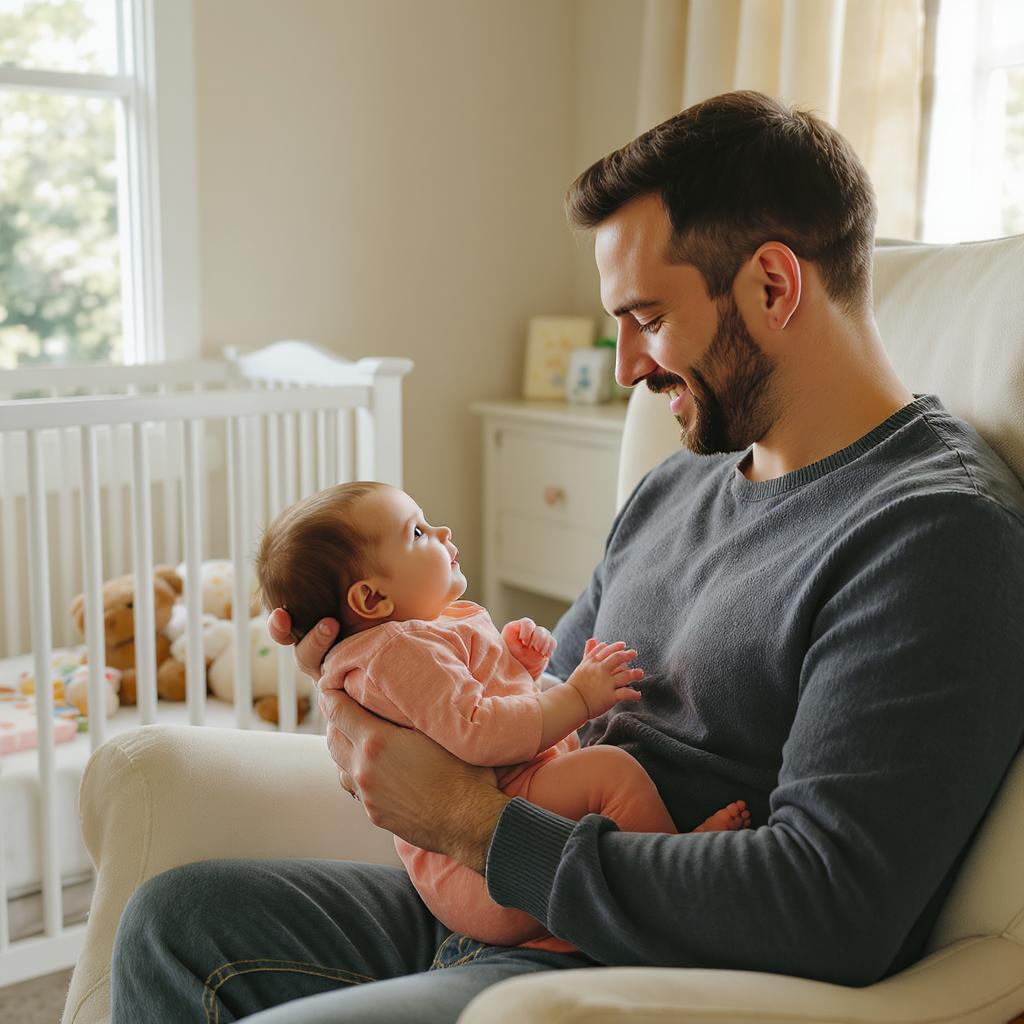
From the moment your baby enters the world, communication begins. Although they can’t articulate words or form sentences, babies convey their needs and emotions. These early forms of communication are their first love language.
Crying is one of the first signals babies use. It can indicate hunger, discomfort, or a need for attention. Each cry has its own sound and rhythm, and with patience, you’ll discern what each one means. This is key to attuning to your baby's needs, providing safety and understanding.
Facial expressions are another sign of their feelings. A furrowed brow or a smile can reveal much about their emotions. Observing their cues, like eyes lighting up upon seeing you, helps ensure you're meeting them with love and care.
Body movements are significant. Kicks, flails, and the opening and closing of fists can signal excitement or distress. Responding to these helps build a trusting bond.
Understanding cues is vital, but so is your response. By recognizing and reacting, you nurture an environment where your child feels heard. This attentive interaction fosters a strong parent-child bond for their development.
The importance of tone, touch, and eye contact is immense when communicating with your newborn. Your voice provides comfort, much like the warmth experienced before birth. Tender touches, like a back rub, offer security beyond words.
Maintaining eye contact during interactions reassures them of your presence, fostering a wordless dialogue that builds trust.
As you journey through this chapter with your baby, remember the power of small gestures, creating a harmonious bond that enriches both your lives.
Recognizing the common reasons behind baby cries makes this art form less daunting. Babies cry to communicate essential needs such as hunger, discomfort, fatigue, or a need for attention.
- Hunger: Rhythmic cries can indicate a need for nourishment. Responding with feeding can quickly soothe.
- Discomfort: Intense cries can hint at discomfort, perhaps due to a wet diaper or temperature changes. Keeping them clean and comfortable provides relief.
- Fatigue: Weary cries and yawning suggest a need for sleep. A calm environment helps guide them to slumber.
- Need for Attention: A call for closeness and interaction can be met with warmth and affection.
Distinguishing cries can be daunting, but with patience and time, clarity comes. Use a staged approach: meet basic needs then try calming activities if cries persist.
Research indicates understanding crying patterns is a developmental milestone. Studies show crying peaks around six weeks then tapers off by three to four months, reassuring that early overwhelming phases are normal.
This journey nurtures your intuitive bond, rooted in empathy and growth. Responsiveness builds trust and strengthens your unique, evolving language.
Decoding your baby's communication includes subtle signals like rooting, sucking, and fists. Rooting shows hunger before cries begin, guiding feeding. Sucking can hint at hunger or a need for comfort, fostering anticipation of needs.
Signs of sleepiness like yawning or eye rubbing help establish a sleep routine, signaling the body's need for rest. Consistency in response promotes security and familiarity.
As they grow, gestures like waving or pointing become expressions of curiosity. These motions invite engagement and support language development.
The essence of early exchanges transcends words, forming the cornerstone of your relationship. Sensitivity and intuition foster an enduring, empathetic connection.
Regular interaction nurtures language and social skills. Responding to coos builds a communication tapestry of trust.
‘Baby talk’ aids language acquisition by drawing attention and enhancing sound recognition. Engage them with narration, fostering anticipation.
Pediatric guidelines emphasize a language-rich environment: storytelling and singing support development, engaging multiple brain areas.
Research highlights attunement and responsiveness as foundational. Interactive communication improves language skills and emotional intelligence.
This journey is a dance of gestures and glances. As your shared language grows, it strengthens understanding and connection.
A serene home atmosphere enhances communication. Peaceful environments allow focus on vital interactions, fostering security for expression.
Consistency provides stability. Regular patterns, like feeding times, encourage open engagement and communication of needs.
Communication skills develop naturally over time, with individual timelines. Trust their skill unfolding and provide encouragement and space.
Parents find reassurance in knowing their baby's communication progression is a biological and environmental dance. Every interaction solidifies dialogue, nurturing a connection for future communication adventures.
Engage with your baby by listening and responding, crafting a narrative of trust and joy. The bond becomes tighter, testifying to communication's transformative power.
Articles for you

Navigating the Wonders of Motherhood: Skin Care, Baby Showers, and Hospital Prep
Radiant Beginnings: Your Guide to Nurturing Skin, Celebrating Baby Showers, and Packing Your Hospital Bag with Love As you journey towards motherhood...

Prenatal Exercise: The What, Why, How, What If Framework (Symptom-Guided Safety)
What? We’re talking about how to exercise during pregnancy in a way that supports your body’s changing biomechanics—without guessing, overreaching, or...

Birth Plan Hub: Pillar Guide + Cluster Posts for a One-Page, Evidence-Informed Plan
Pillar post — Your complete birth plan guideThis pillar page gives a clear, evidence-informed framework to create a one-page birth plan that centers y...