Building Your Baby’s Immunity: A What, Why, How, What If Guide
19/8/2025

What: Every newborn arrives with two key defense systems: innate immunity (skin, mucous membranes, first-responder cells) and adaptive immunity (antibodies that develop over time). Maternal antibodies passed during pregnancy and through breast milk add extra protection as baby’s own system matures. The gut microbiome also plays a pivotal role in teaching defenses to distinguish friend from foe.
Why: A strong early immune foundation reduces risks of severe infections, supports healthy growth and may lower the chance of allergies and chronic conditions later in life. Understanding when and how baby’s defenses develop helps parents make informed choices about nutrition, vaccines, hygiene and social exposure.
How:
- Prenatal & Self-Care: Eat colorful vegetables, lean protein, whole grains and healthy fats; take recommended prenatal vitamins (folic acid, iron, vitamin D); manage stress; get restorative sleep.
- Breastfeeding: Initiate skin-to-skin contact, nurse 8–12 times in 24 hours; troubleshoot latch issues; seek lactation support for supply, mastitis or positioning.
- Microbiome Support: Encourage vaginal birth exposure; breastfeed on demand; consider pediatrician-approved probiotics; introduce age-appropriate solids and tummy massages.
- Vaccines & Schedule: Follow CDC recommendations (hepatitis B at birth; DTaP, Hib, IPV, PCV13, rotavirus at 2–6 months; flu at 6 months); prepare with soothing feeds and comfort objects.
- Balanced Hygiene & Play: Clean high-touch areas with soap and water; allow short, supervised outdoor and pet exposures; host small, healthy playdates in well-ventilated spaces.
- Monitoring & Records: Track feeds, diapers, sleep and mood; log vaccine dates and any reactions; watch for fever, rash or unusual lethargy and contact a pediatrician if concerned.
What If: Without these practices, baby may face more frequent or severe infections, slower immune training and potential delays in microbial tolerance. To go further, explore advanced probiotic regimens, immunology workshops or personalized nutrition plans under medical guidance. Promptly address any health red flags and don’t hesitate to seek professional support for feeding, mental health or developmental questions.
Articles for you
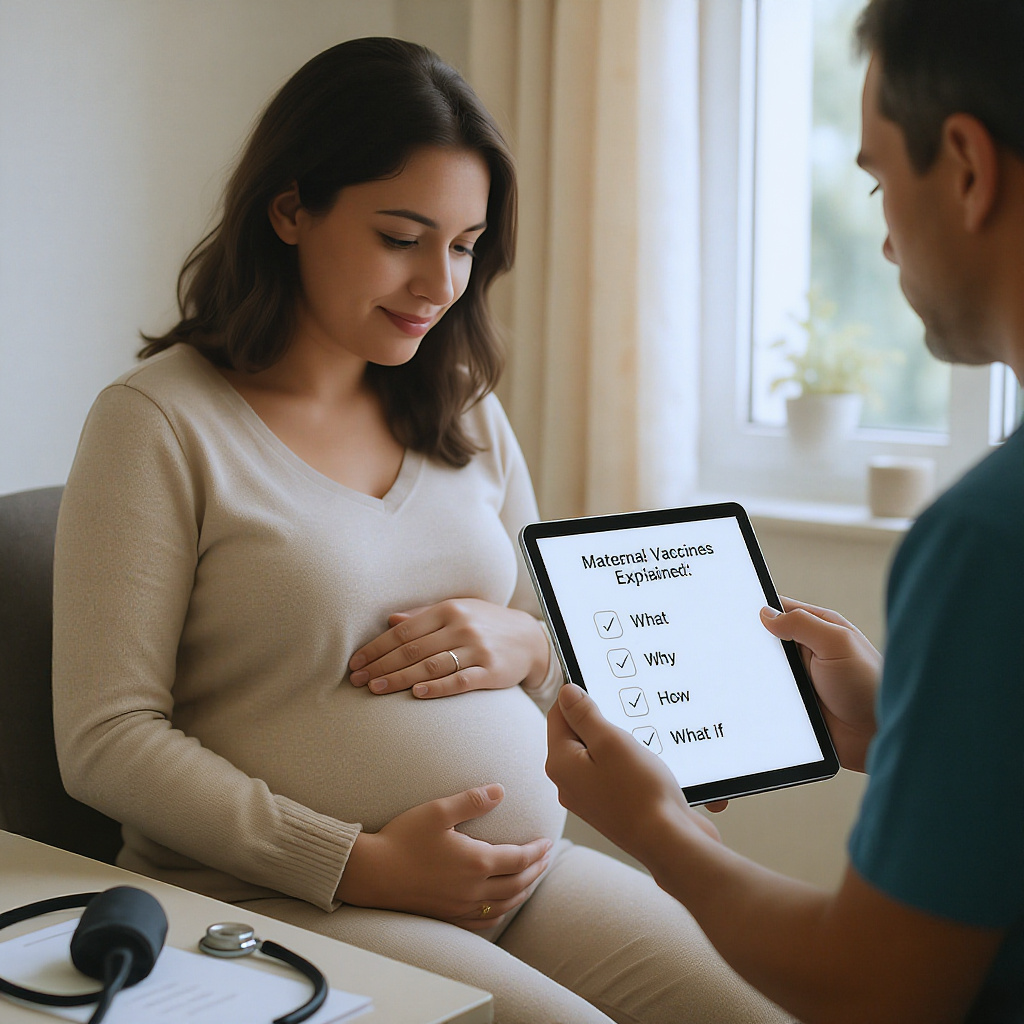
Maternal Vaccines Explained: What, Why, How, What If
If you’re pregnant (or recently postpartum) and you feel uneasy about vaccines, you’re not alone. It’s completely human to wonder: what exactly is bei...

Swaddling Safety: When Comfort Turns Into a Risk
Problem: Swaddling can feel like the safest way to help your newborn sleep—until baby’s developing movement makes the wrap less safe or less effective...

7 Ways to Simplify Your Baby Registry and Newborn Prep
Feeling excited and overwhelmed about preparing for a baby is normal. Use this simple listicle to cut decision fatigue, focus on safety, and prioritiz...