9 Ways to Support Healthy Weight Gain During Pregnancy
12/20/2025
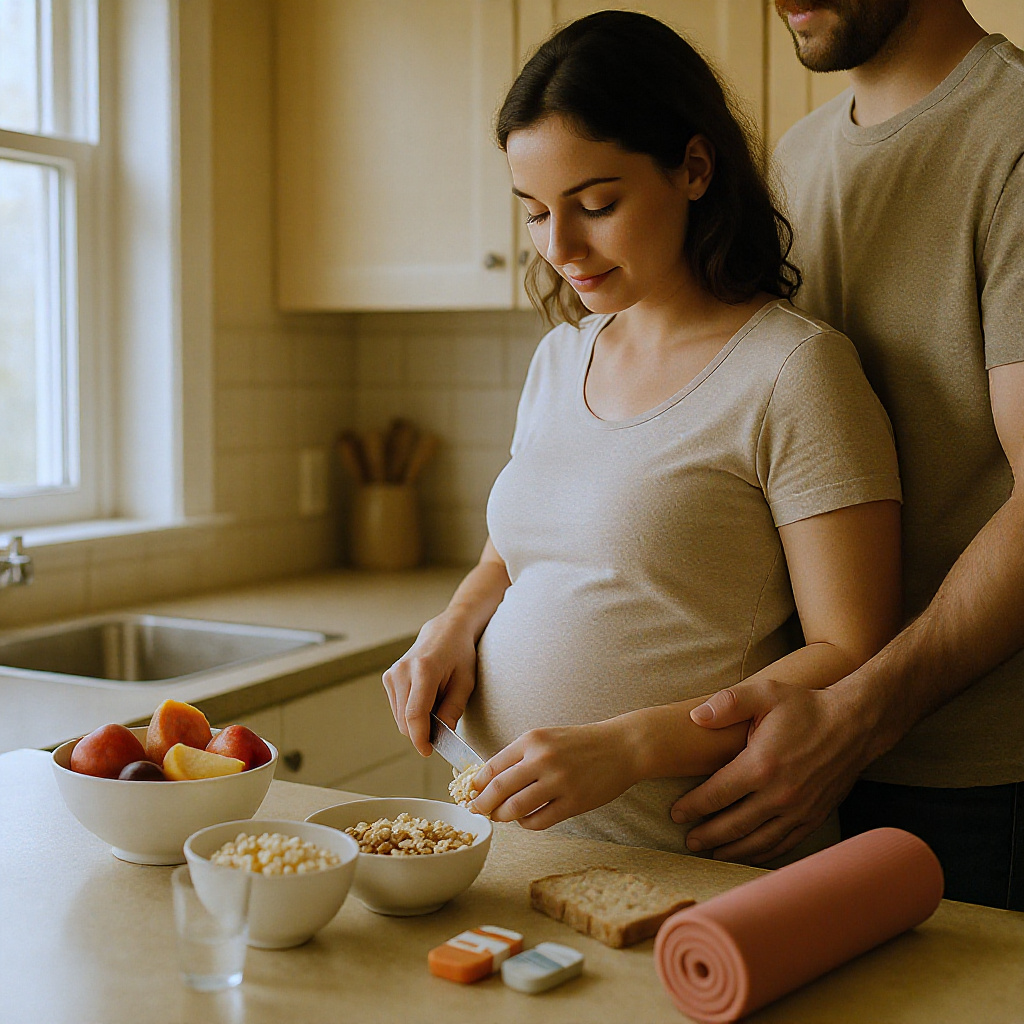
Weight gain in pregnancy supports placenta and amniotic fluid, increases blood volume, and builds energy stores for recovery and breastfeeding. These 9 practical tips translate guideline-based goals (e.g., ACOG/IOM ranges) into everyday actions you can discuss with your clinician.
- 1. Focus on patterns, not perfection
Aim for gradual, steady gain over time instead of obsessing about a single scale reading. Small week-to-week trends matter more than daily fluctuations.
- 2. Use BMI-based ranges as a starting point
Clinicians often use pre-pregnancy BMI to set targets (e.g., roughly 25–35 lb for normal BMI); treat these as flexible and personalize with your provider.
- 3. Prioritize nutrient-dense meals
Build plates with a palm-sized protein, whole grains or starchy veg, colorful vegetables, healthy fats, and sources of iron and folate to support fetal growth and your energy.
- 4. Keep moving safely
Regular activity—walking, prenatal yoga, swimming, or modified strength work—supports mood, sleep, and metabolism. Check with your provider before starting new exercises.
- 5. Avoid restrictive diets
Severe calorie cutting can harm fetal growth and your recovery. If weight control is needed, work with your clinician or a registered dietitian for a safe plan.
- 6. Manage nausea and food aversions
Try small, plain snacks, easy-to-tolerate proteins, and fluids in early pregnancy; seek care if you can’t keep food or fluids down for more than a day or two.
- 7. Track trends and watch warning signs
Keep a simple log of weight, symptoms, and fetal movement. Call your clinician for rapid weight jumps, severe swelling, headaches, vision changes, or decreased fetal movement.
- 8. Address blood sugar and other risks
Follow routine gestational diabetes screening (usually 24–28 weeks). Spread carbs across meals, choose fiber-rich options, and combine carbs with protein or healthy fat when advised.
- 9. Plan for postpartum recovery
Expect an immediate drop in weight after birth and gradual return to pre-pregnancy over months. If breastfeeding, avoid aggressive calorie restriction; aim for slow, steady postpartum loss when cleared by your provider.
Talk openly with your care team about personalized targets and ask for a referral to a registered dietitian if you need practical meal plans. Small, consistent steps and ongoing support usually make the biggest difference for you and your baby.
Articles for you

Postpartum essentials: recovery, warning signs, feeding, and newborn care
Main point: After birth, prioritize safety and basic recovery: watch for urgent warning signs, protect rest and pain control, get feeding support, and...

Embracing Pregnancy Bed Rest: A Nurturing Journey
The journey of pregnancy can be filled with a mix of emotions, from joyful anticipation to the understandable anxiety surrounding the health of both m...

Navigating Postpartum: Insights on Care, Bottle Feeding, and the Role of Ultrasound
Finding Comfort in the Postpartum Journey Welcoming a new baby into the world is a profound and life-changing experience filled with immense joy, yet ...