9 Nesting Tips to Prepare Your Home for Baby
1/12/2026
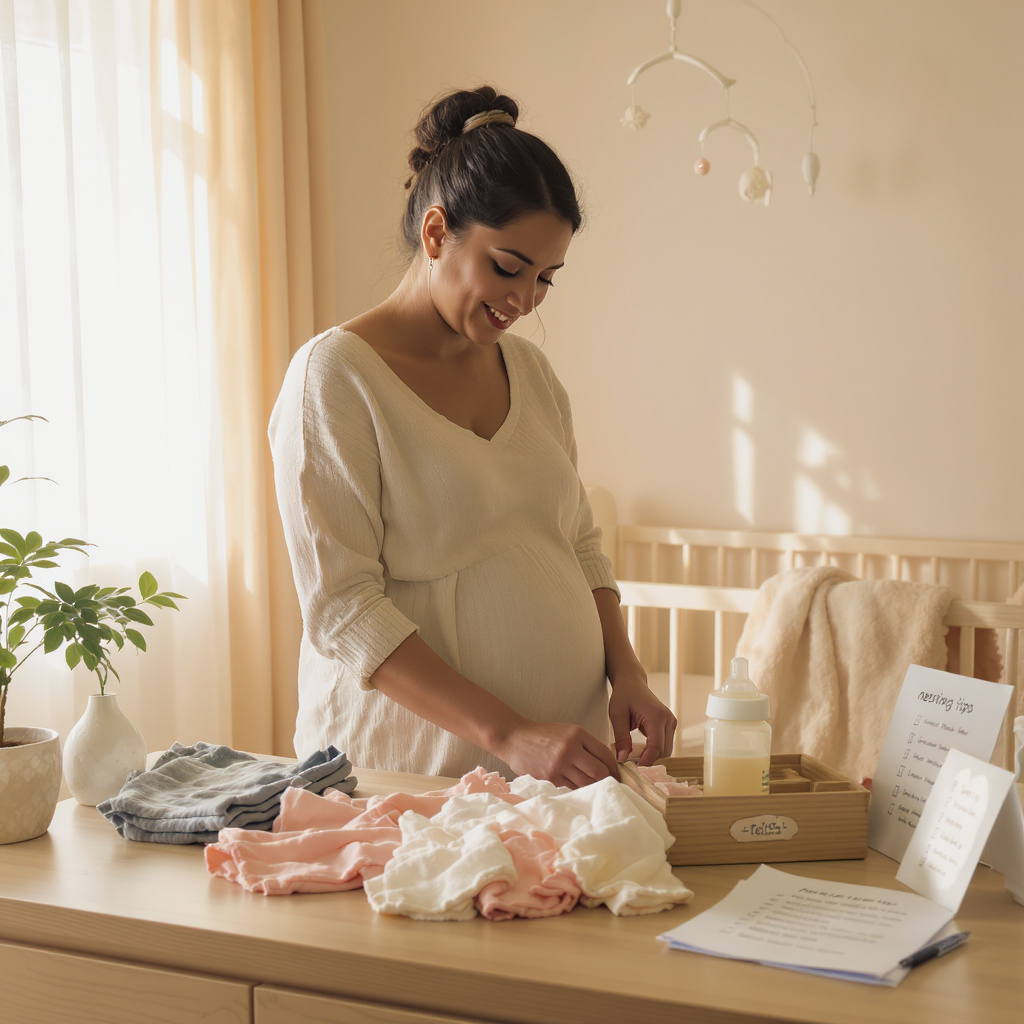
Nesting is the surge of energy and urge to clean, organize, and ready your space for a baby. Experiences vary—some people nest weeks before birth, others only in the final days, and some not at all. These 9 practical tips help you prepare safely and calmly.
-
1. Create a simple feeding station
Choose a comfortable chair with good back support, a small side table, water, snacks, a nursing pillow and a basket for burp cloths and phone/charger. Keep pump parts and sanitizing wipes nearby if you plan to pump.
-
2. Set up low-effort diaper zones
Make one easy change spot by the bed and another in the main living area stocked with diapers, wipes, a change mat and cream. Use a small bin for soiled items and keep hand sanitizer or a sink nearby.
-
3. Focus on essentials, not every gadget
Prioritize a safe sleep surface, correctly installed car seat, a reliable stroller and a few durable basics. Keep receipts and manuals in a folder or digital binder for returns and troubleshooting.
-
4. Use small systems to save energy
Label bins by size/use, create shared digital lists (gear, meals, contacts) and keep a shared calendar for appointments and visitors. These small systems reduce decision fatigue for you and helpers.
-
5. Prep easy meals and snacks
Batch-cook and freeze single-portion meals with reheating instructions and dates. Keep protein-rich snacks and easy breakfasts handy to protect your recovery energy.
-
6. Clean smart and stay safe
Choose mild, fragrance-free cleaners, ventilate rooms, and avoid sanding, stripping or repainting—especially if lead might be present. Ask for help with heavy cleaning or strong-chemical tasks.
-
7. Use safe lifting and pacing
Bend at the knees, keep loads close, avoid twisting and split heavy tasks into smaller trips. Use tools or ask for help with furniture and large items—check limits with your provider if you have pain or a high-risk pregnancy.
-
8. Watch for compulsive or overwhelming urges
Nesting can reduce stress, but if cleaning becomes uncontrollable, disrupts sleep or causes intense anxiety, mention it to your clinician. Perinatal anxiety and mood support is available and early help is useful.
-
9. Quick third-trimester checklist
Confirm car-seat installation with a clinic or technician, pack a hospital bag (documents, chargers, comfortable clothes, newborn outfit), set up one feeding and one changing station, and keep a contact list for your care team.
Hormones and feelings: Hormonal shifts (oxytocin, progesterone) and emotional readiness both play a role. Nesting can offer control and calm; balance practical tasks with rest and accept help. If you ever feel overwhelmed or have thoughts of harming yourself or the baby, seek immediate help from your care team or local emergency services.
For evidence-based guidance, trusted sources include ACOG, the NHS and the CDC. Listen to your body, accept specific help, and prioritize rest and bonding over perfection.
Articles for you

Navigating the Postpartum: Embracing Wellness and Recovery
The postpartum journey beautifully extends the narrative of pregnancy, weaving together a tapestry rich with physical, emotional, and spiritual thread...

Navigating the Journey Through Trimesters: From Discovery to Delivery
Pregnancy is a transformative journey, filled with a myriad of changes and emotions. Each trimester brings its own unique challenges and joys, shaping...

Understanding Healthy Pregnancy Weight Gain: A Guide for Expecting Mothers
Pregnancy is a beautiful and transformative journey that brings along both excitement and challenges. One of the common concerns for expectant mothers...