7 Ways to Reduce Postpartum Swelling (Edema)
24/12/2025
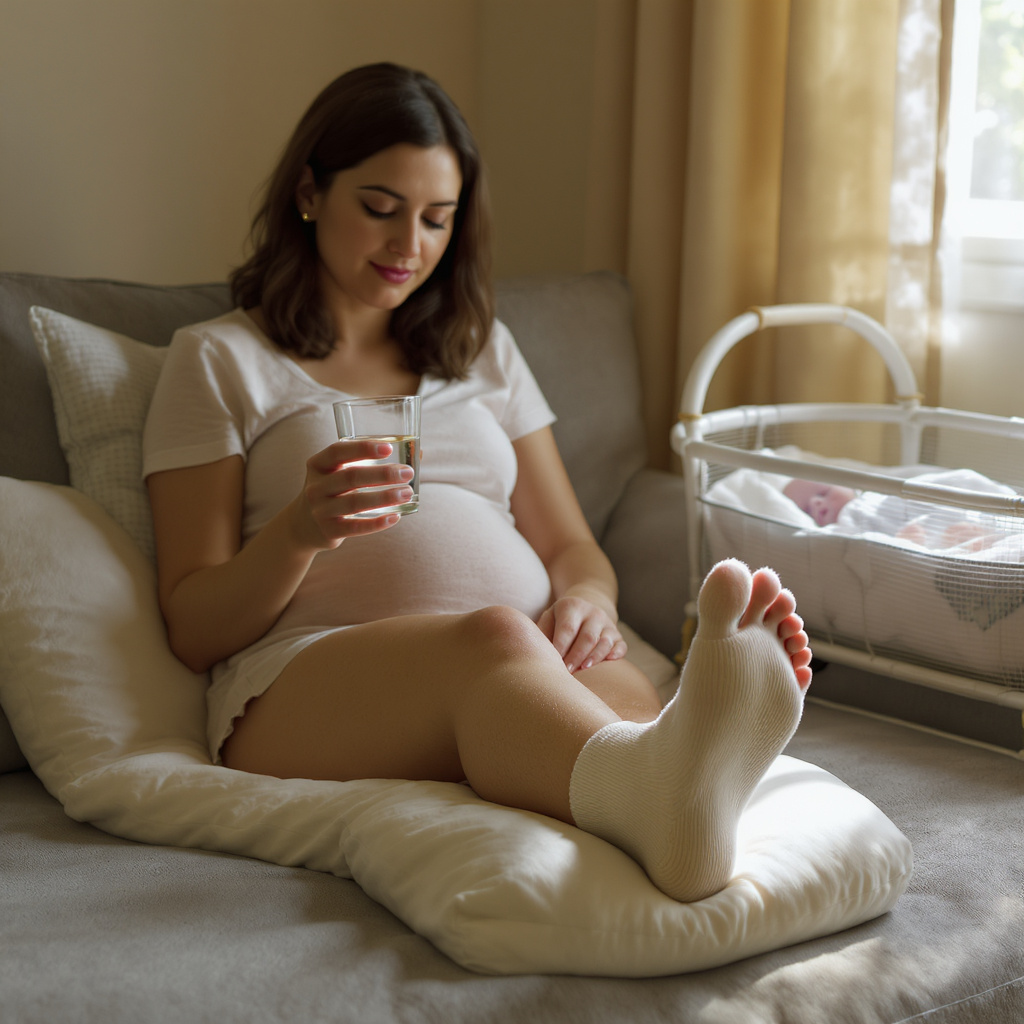
Postpartum swelling is common as your body clears extra fluid after pregnancy. These 7 simple strategies can help you feel more comfortable while you recover. Check with your care team for personalized advice.
- 1. Elevate your feet regularly: Prop your feet up on a pillow when sitting and, if comfortable, raise the foot of the bed slightly to let gravity help move fluid from your legs.
- 2. Move gently and often: Short walks and ankle pumps while seated improve circulation—try a few minutes every hour when you can.
- 3. Use compression socks when advised: Properly fitted compression supports ankles and calves; check with your provider or fitter about fit and timing (including overnight use).
- 4. Stay hydrated and mind salt: Adequate fluid helps the body release excess water; limit very salty foods but don’t restrict fluids unless directed by your clinician.
- 5. Soothe face and eyes: Cool compresses can reduce facial puffiness; choose loose, comfortable clothing and roomy shoes to avoid added pressure.
- 6. Keep a simple record: Note where swelling appears, when it started, how it changes with position, and take a photo—this helps your clinician track patterns.
- 7. Know when to seek care: Contact your provider right away for sudden, severe, or one-sided swelling, chest pain or shortness of breath, severe headache or vision changes, high fever, or new/worsening calf pain.
If concerning signs appear, clinicians may check blood pressure and urine (for preeclampsia), order blood tests, or arrange imaging for suspected blood clots. Some treatments (including short-term diuretics) are used selectively—medication choices and breastfeeding safety should be discussed with your obstetrician and a lactation consultant. Trust your instincts and reach out—timely evaluation brings reassurance and the right care.
Articles for you
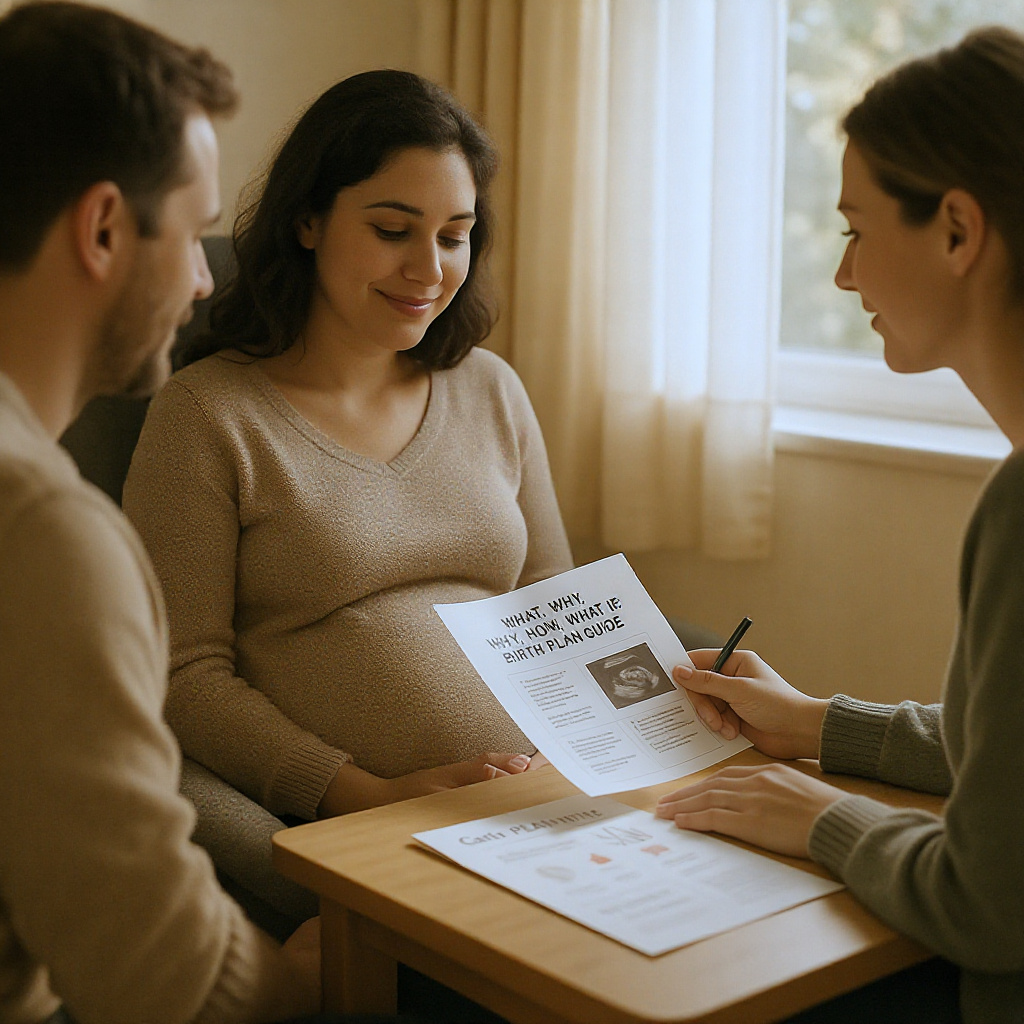
What, Why, How, What If: Your Birth Plan Guide
What: A birth plan is a personalized roadmap that outlines your preferences for labor, delivery and immediate postpartum care. It covers everything fr...
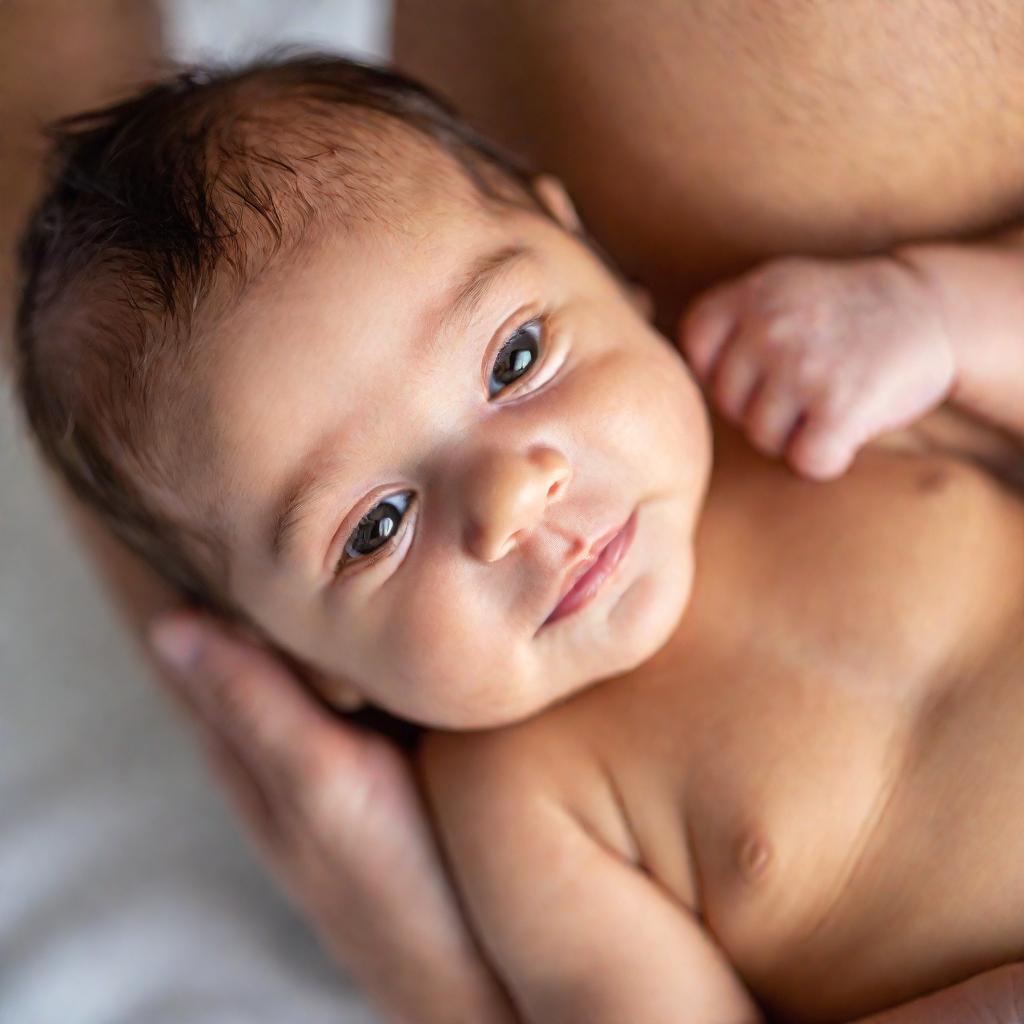
Understanding Baby Acne: A Parent's Guide to Care and Confidence
Baby acne, often referred to as neonatal acne, is a common and typically harmless skin condition that many newborns experience. It usually appears as ...
7 Ways to Ease Morning Sickness
Morning sickness affects many people in early pregnancy and can come and go. These 7 practical strategies are easy to try and can help you feel steadi...