7 Ways to Improve Postpartum Perineal Comfort (Gentle, Evidence-Aligned Care)
11/5/2026
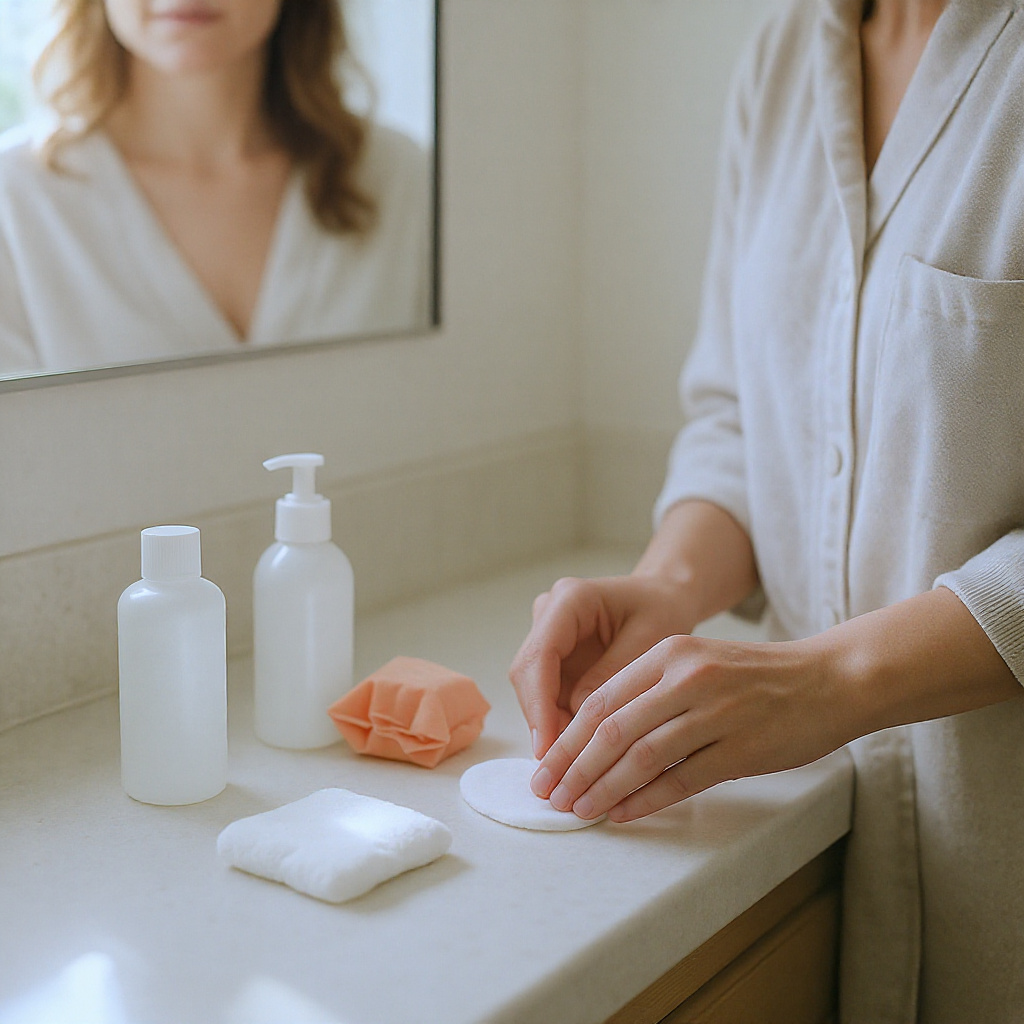
Your perineum is the area of skin and soft tissue between the vaginal opening and the anus. After childbirth, this region can take on a lot of strain—whether or not you experienced a tear or an episiotomy. Many people notice swelling, soreness, tenderness, and a tight or stinging feeling as healing begins. These changes are common because the tissues were stretched and, in some cases, surgically repaired or naturally torn during delivery.
The goal is simple: reduce irritation, support healing, and know when to get help. Use the tips below as a scannable “toolkit” for calmer day-to-day comfort.
7 Ways to Improve Postpartum Perineal Comfort
-
Rinse gently (and keep it simple)
After delivery, comfort often improves when cleaning is gentle—the opposite of anything that scrapes, stings, or lingers. Use warm water and let the water do most of the work.
- Rinse front to back with light pressure.
- Pat, don’t rub to dry.
- Avoid harsh add-ons (peroxide, alcohol, strong antiseptics, fragranced sprays) unless your clinician specifically told you to use them.
- If you add a cleanser, choose something mild and unfragranced and use only as needed.
-
Use cold and/or warm comfort tools at the right time
Comfort tools can help—when used thoughtfully.
- Early stage (often first day or two): cold packs or chilled compresses can reduce swelling and soreness.
- Later (when swelling is calmer): gentle warmth may soothe tightness or achiness for some people.
- Stop if it worsens: if a cold/warm approach increases discomfort or makes swelling feel more prominent, pause and reassess.
-
Prevent straining to protect healing tissue
Bathroom discomfort often improves when stools are softer. You don’t need to “white-knuckle” it—support your body with hydration and fiber.
- Hydrate steadily throughout the day (especially if you’re breastfeeding).
- Choose fiber you tolerate (fruits, vegetables, oats, beans, whole grains) and increase gradually.
- Try a footstool and a slight forward-leaning posture to encourage a more natural angle—often reducing the urge to push.
- Follow medication instructions if your clinician recommended a stool softener or laxative.
-
Upgrade your bathroom routine: rinse, then pat
After using the restroom, reduce friction by treating wiping like a light-touch practice.
- Wipe gently (avoid back-and-forth rubbing).
- If it stings: rinse first with warm water via a peri-bottle (if you have one), then pat dry.
- Use fresh pads promptly after bathroom trips to reduce dampness and rubbing.
-
Choose pads and underwear that reduce friction
Small mechanical irritants can make healing tissue feel worse—especially when moisture is trapped.
- Change pads regularly (when damp or heavy, switch sooner rather than waiting).
- Pat skin dry before applying a new pad.
- Pick breathable, soft underwear (cotton or similar fabrics).
- Avoid overly tight fits and overly rough pad textures.
-
Use pain relief exactly as directed
Pain is information—but you don’t have to endure it unnecessarily. Many postpartum plans include clinician-recommended options such as acetaminophen or ibuprofen.
- Take as directed on your discharge materials.
- Don’t add extra products unless your clinician says it’s safe for your situation (especially if breastfeeding or if you have specific medical conditions).
- Watch the trend: steady improvement is reassuring; worsening pain deserves a check-in.
-
Know the warning signs—so you can get help early
Most recovery is gradual, but some symptoms should be treated differently. If you notice any of the following, contact your OB/midwife or postpartum team promptly.
- Fever (around 100.4°F / 38°C or higher), especially with chills or feeling unwell.
- Rapidly worsening perineal pain or pain that escalates instead of slowly easing.
- Foul-smelling discharge (paired with increasing tenderness and/or pelvic symptoms).
- Heavy bleeding (for example, soaking a pad quickly or passing large clots).
- Wound separation/opening or actively increasing bleeding at a repair site.
- Spreading redness, swelling, or warmth at the perineum.
Bottom line: gradual improvement is reassuring; new or rapidly worsening symptoms are a reason to get evaluated.
Quick expectation check
Healing doesn’t always follow a perfectly predictable timeline. Many people notice sharp stinging improves first, while a “tight” or achy feeling may linger for weeks. The most reassuring signal is the overall trend toward easier comfort—even if symptoms fluctuate day to day.
If you want, tell me how many days postpartum you are and whether you had a tear/episiotomy (and what degree, if you know). I can tailor these tips into a simple day-by-day routine for your stage of healing.
Articles for you
Folic Acid in Pregnancy: What, Why, How, and What If
What: Folic acid is a form of vitamin B9 used before and during pregnancy to support cell growth, DNA synthesis, and the healthy formation of your bab...

End Nap Time Stress: Turn Baby’s Fussy Moments into Peaceful Rest
Problem: Nap times feel like a battlefield? Irregular wake windows, short snoozes, and constant fussiness leave both you and your baby exhausted.Agita...

The Connection Between Bonding with Your Baby, Baby Showers, and the Contraction Experience
Creating a Connected Experience: The Beautiful Bonds of Baby Shower and Contractions Life's most precious moments often emerge from the confluence of ...