7 Essential Tips for Postpartum Bleeding and Lochia
3/24/2026
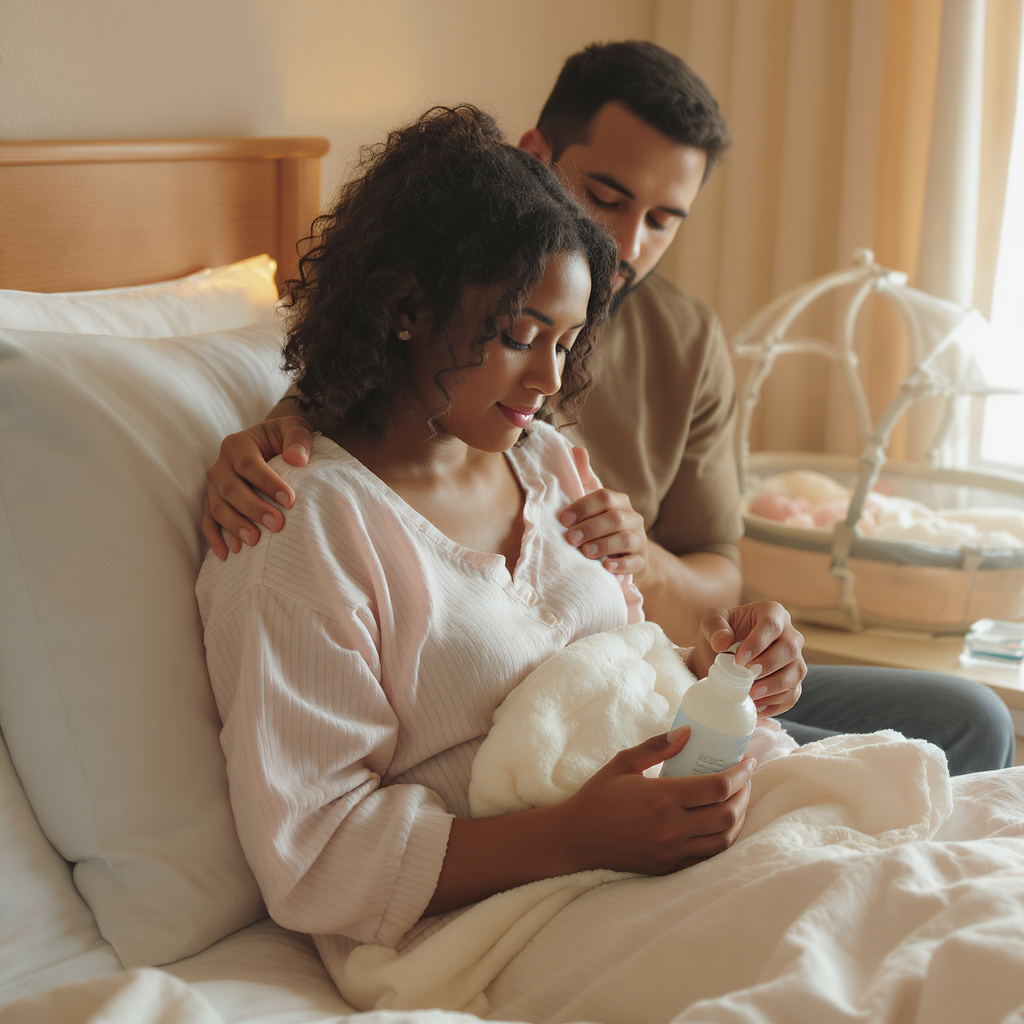
Seeing blood after your baby is born is common and often normal. Use these 7 simple tips to understand lochia, care for yourself, and know when to get help.
- 1. Know what lochia is
Lochia is the normal postpartum flow: a mix of blood, mucus, and uterine lining as your body heals. It is different from a menstrual period.
- 2. Learn the stages
Lochia usually changes color and thickness: rubra (bright red) in the first days, serosa (pink/brown) over 1–2 weeks, then alba (pale/yellow) as it fades over weeks.
- 3. Expect timing and amount
Bleeding is often heaviest in the first 24–72 hours and typically tapers over 4–6 weeks, though timing varies. Small clots and heavier moments with standing or breastfeeding can be normal.
- 4. Track bleeding simply
Count pads and note how full they get (pads, not tampons). Record times, any large clots, and symptoms; secure photos can help clinicians triage if needed.
- 5. Practical self-care
Rest, use high-absorbency pads, rinse the perineal area with warm water, wear breathable underwear, and use recommended pain relief (ask your clinician if breastfeeding).
- 6. How breastfeeding affects bleeding
Breastfeeding releases oxytocin, which causes uterine contractions and may briefly increase bleeding or afterpains—this is usually normal.
- 7. When to get urgent care
Seek immediate help for very heavy bleeding (soaking a pad in under 1 hour), large clots (about golf-ball size or bigger), faintness, racing heart, fever, or a very foul-smelling discharge.
If you have concerns, contact your provider or emergency services—timely care matters. Bring a simple pad log, photos if useful, delivery details, and any symptoms to appointments.
Articles for you
Nurturing Your Skin During Pregnancy: A Guide to Healthy, Glowing Skin
Pregnancy is a time of profound transformation, both emotionally and physically. Among the many changes expectant mothers experience, shifts in skin h...
Monitoring and Managing Infant Allergies: What, Why, How, What If
What: We’re discussing how to recognize, log and manage allergic reactions in infants. Allergies may present through skin, digestive or respiratory ch...

Empowering Your Natural Birth Journey: Preparation, Practice, and Postpartum Care
Bringing a new life into the world is a momentous journey encompassing physical, emotional, and spiritual dimensions. Whether you're planning a natura...